Our Craft
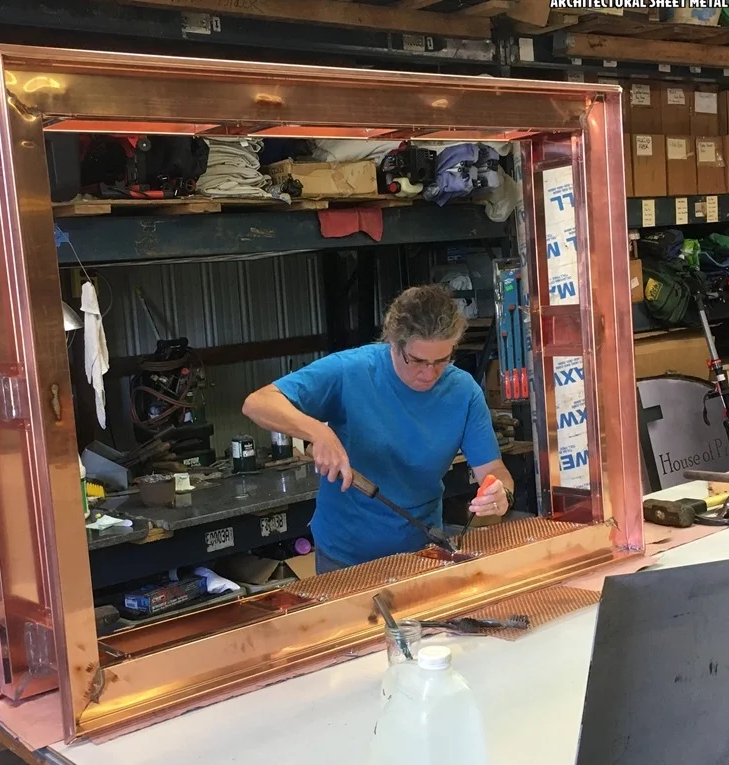
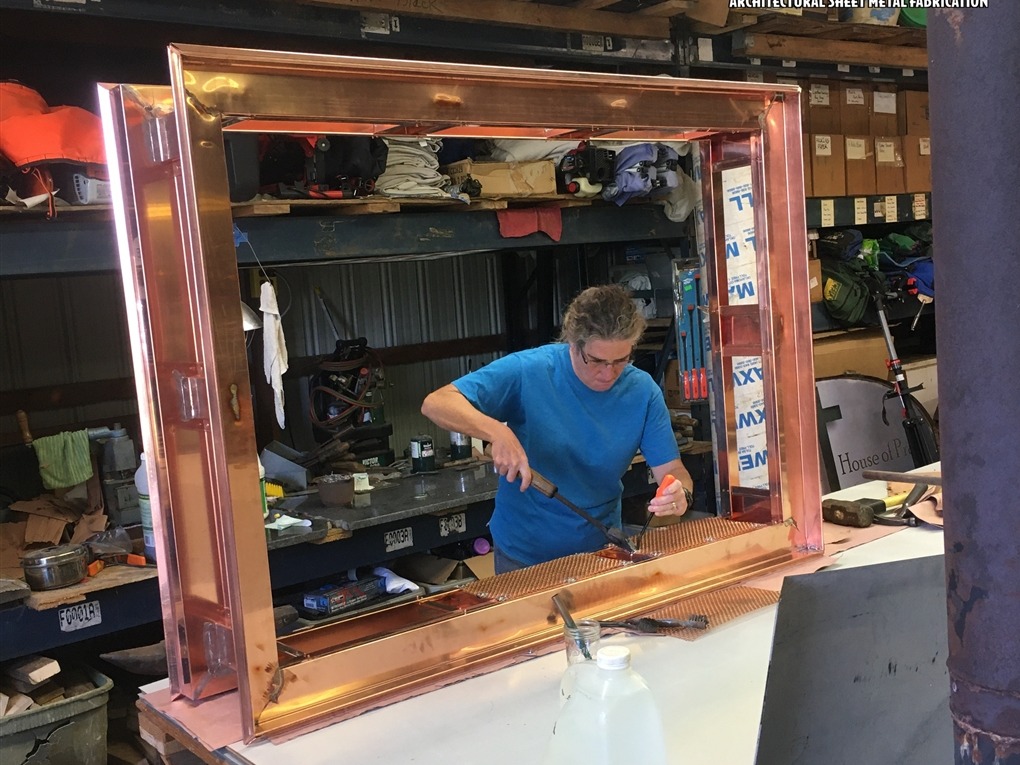
Chimney Cap Fabrication
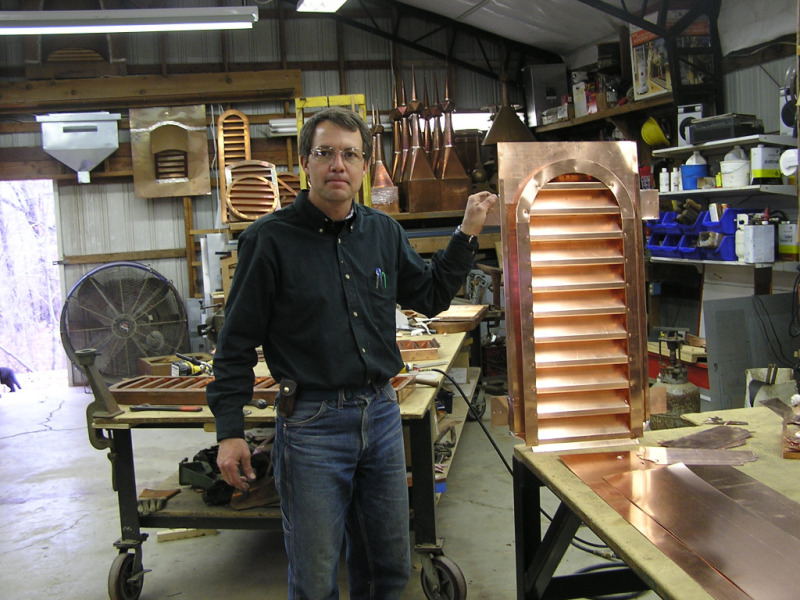
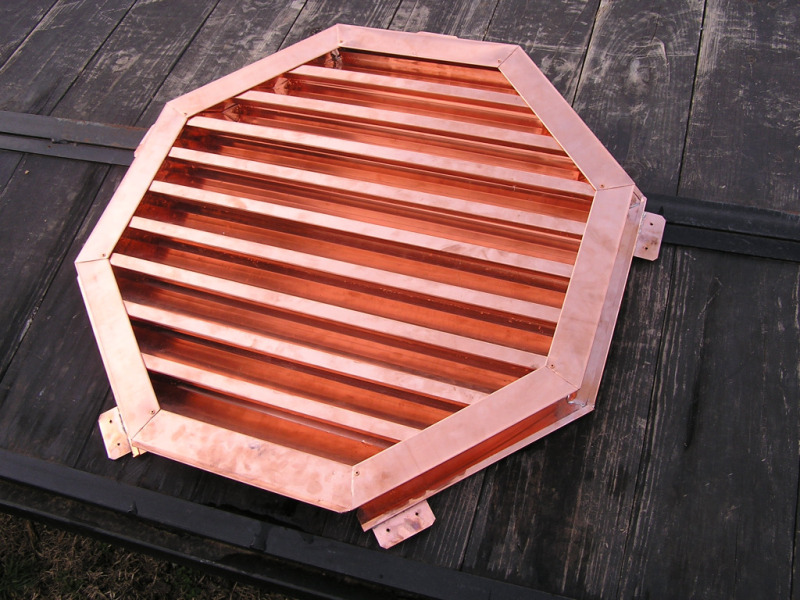
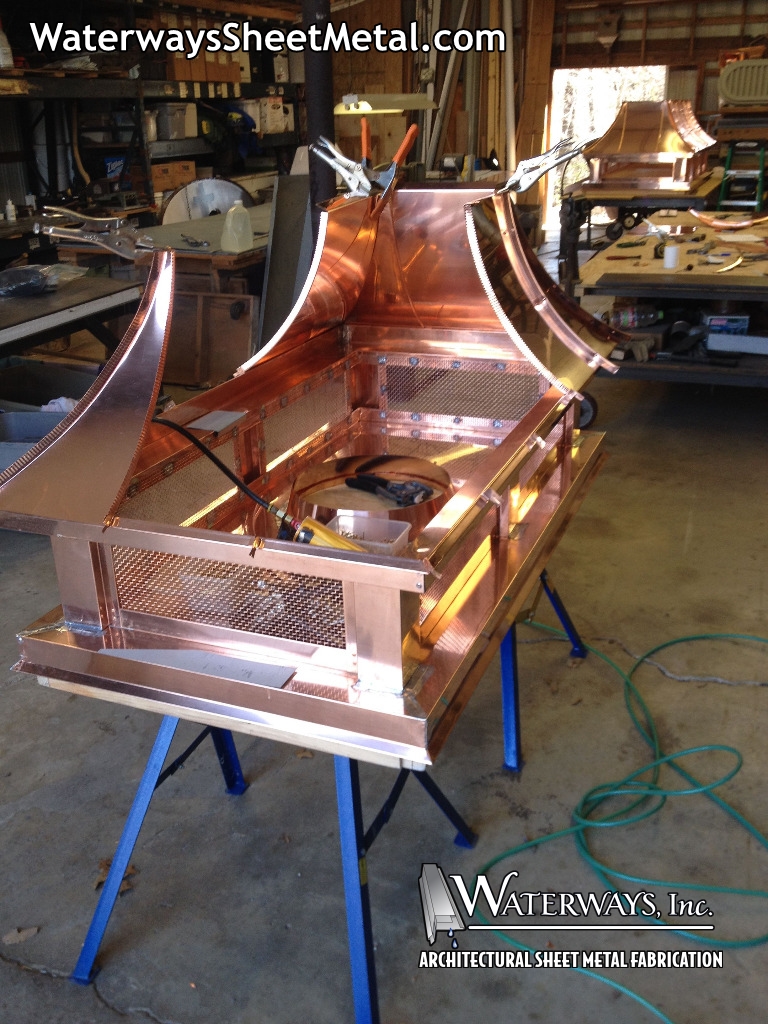
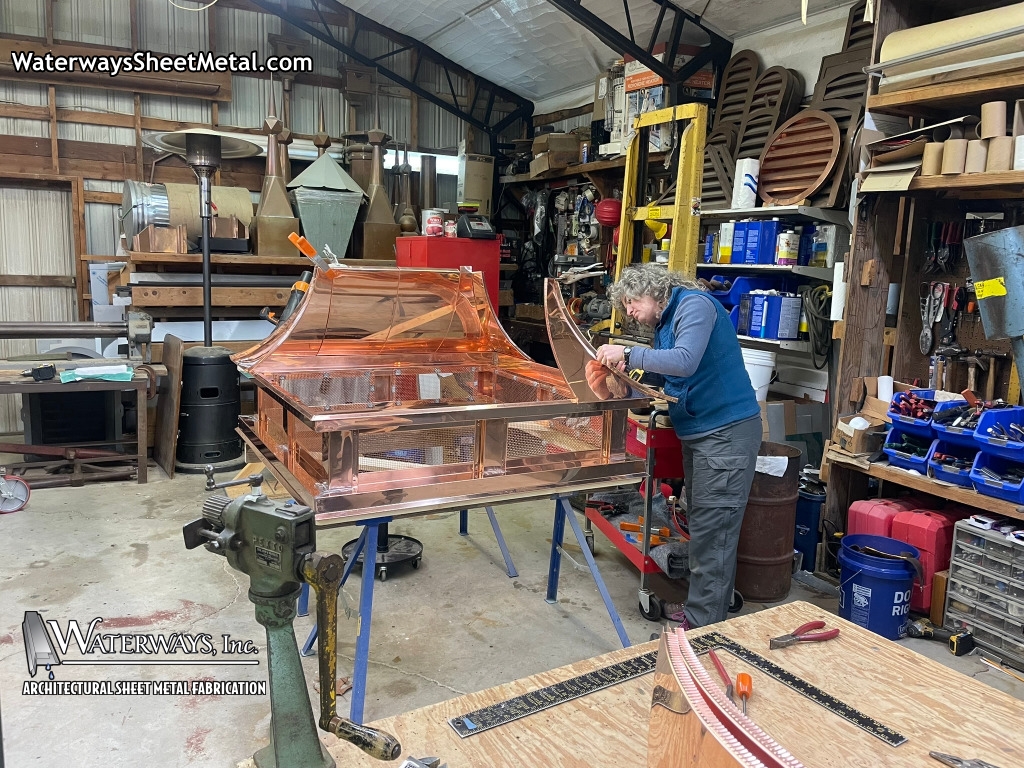
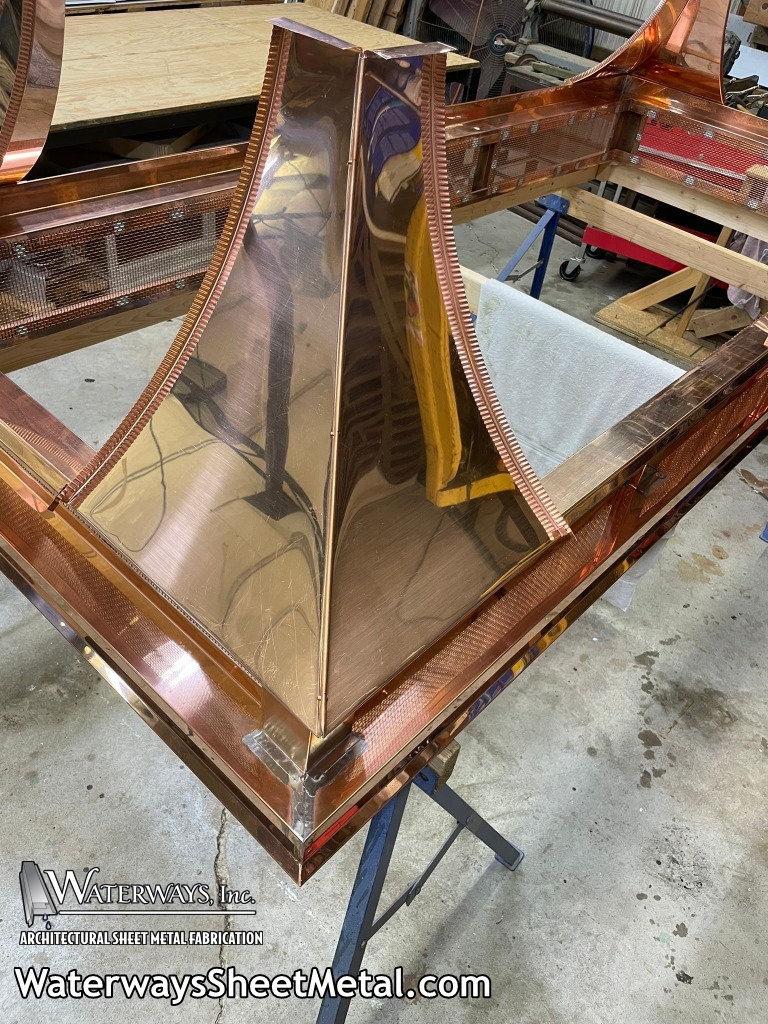
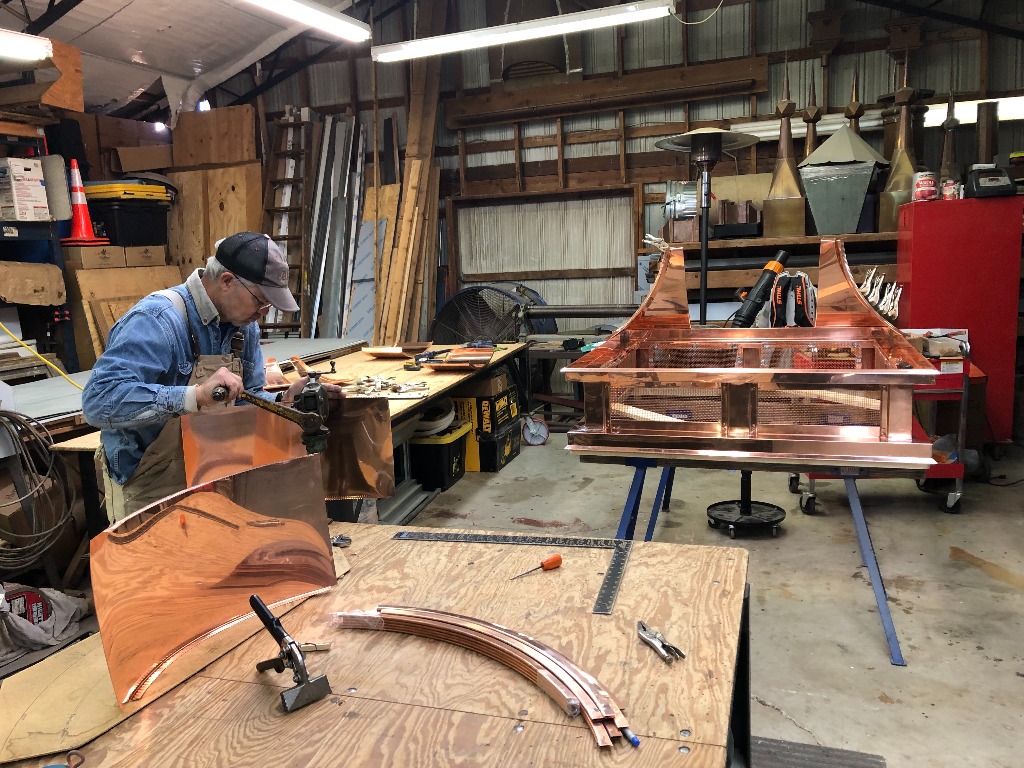
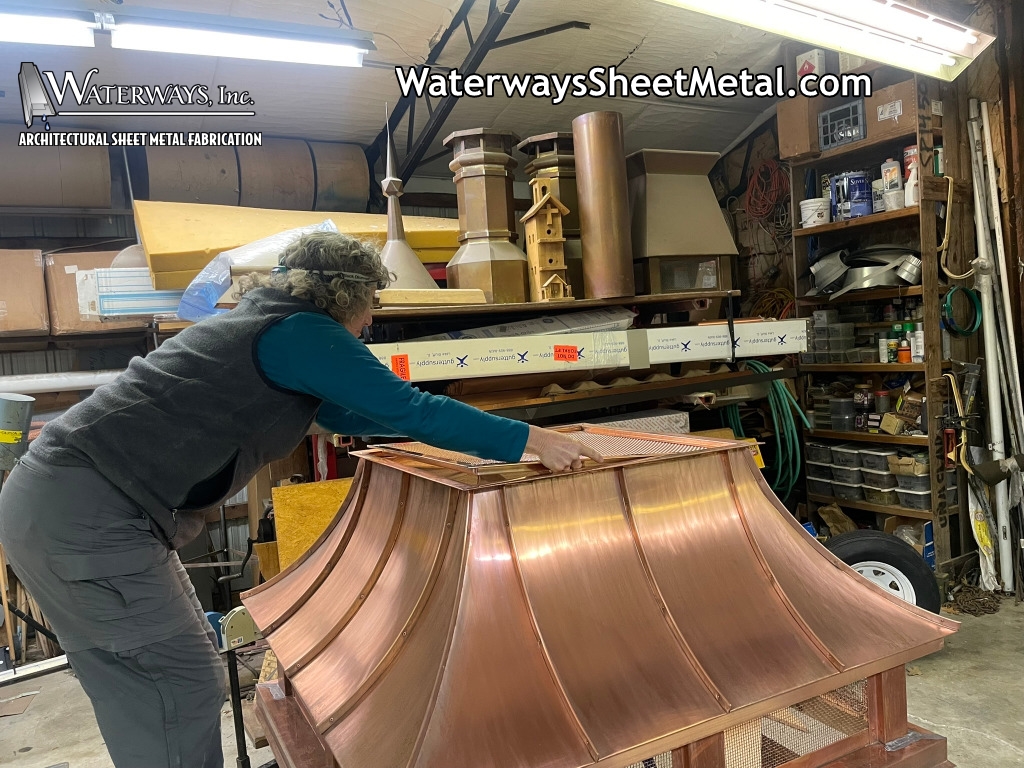
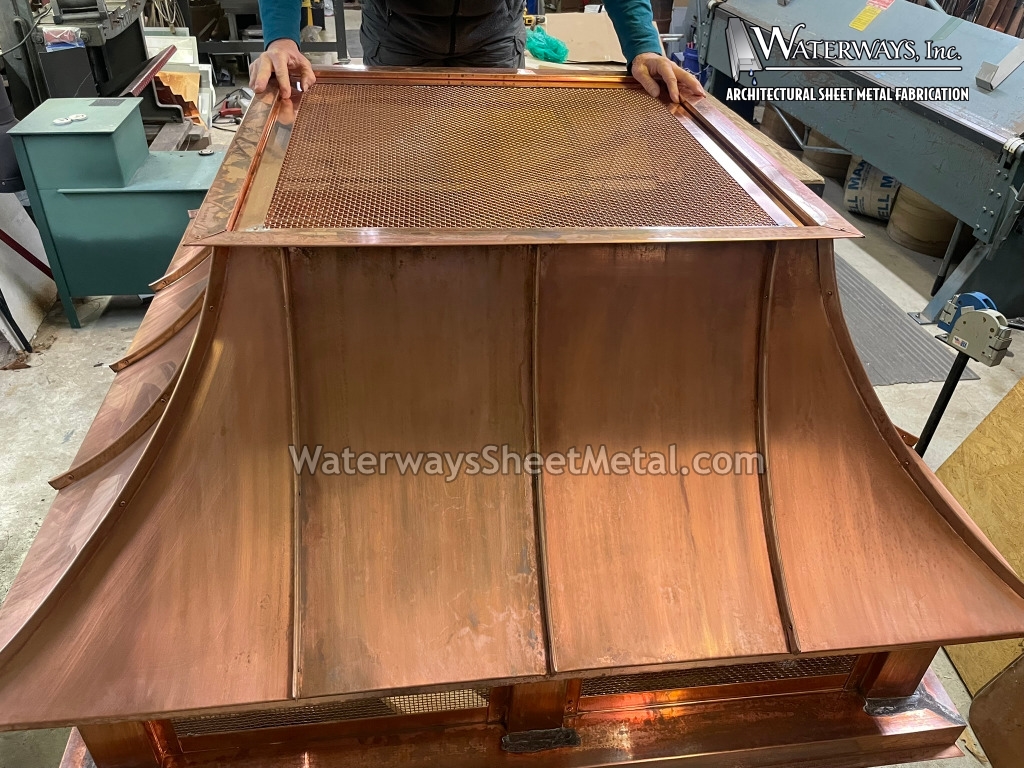
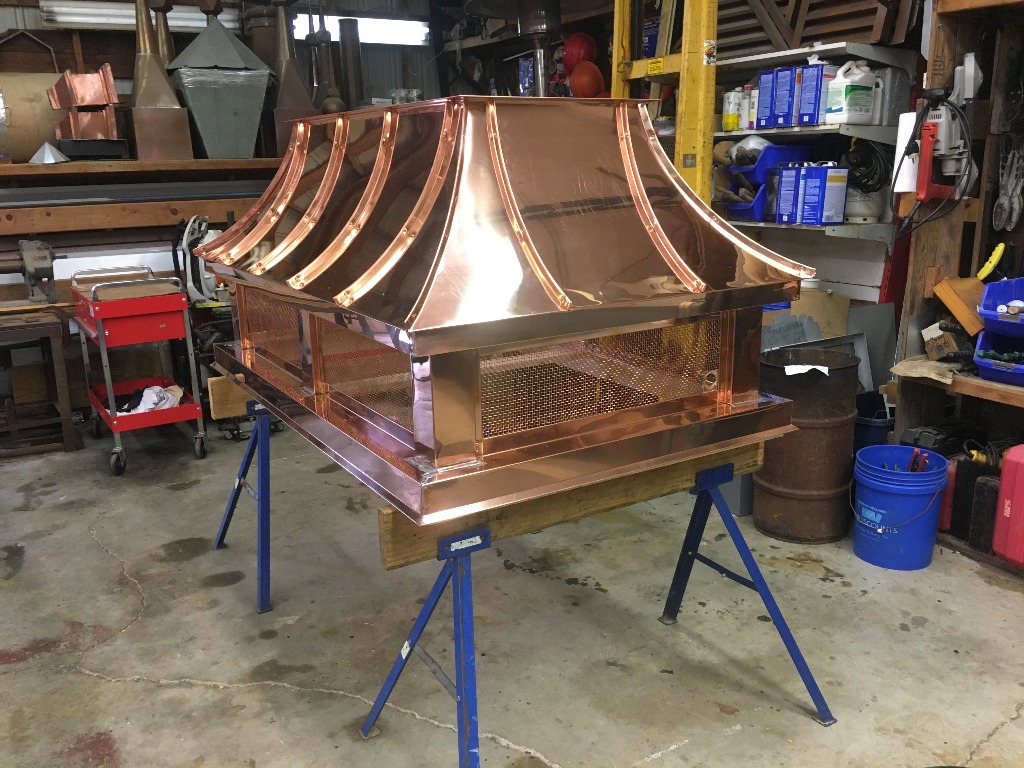
We know our products take a little longer to build, but we think it's worth it. We design them to last for the life of the buildings they're attached to. We begin with high-grade copper sheets. Then, we not only rivet our joints, like most vendors--we also solder them for extra strength and stability. We strive to build in quality at every stage of production. Take a look below at how we custom-build Copper Chimney Caps at our shop in Northeast Oklahoma.
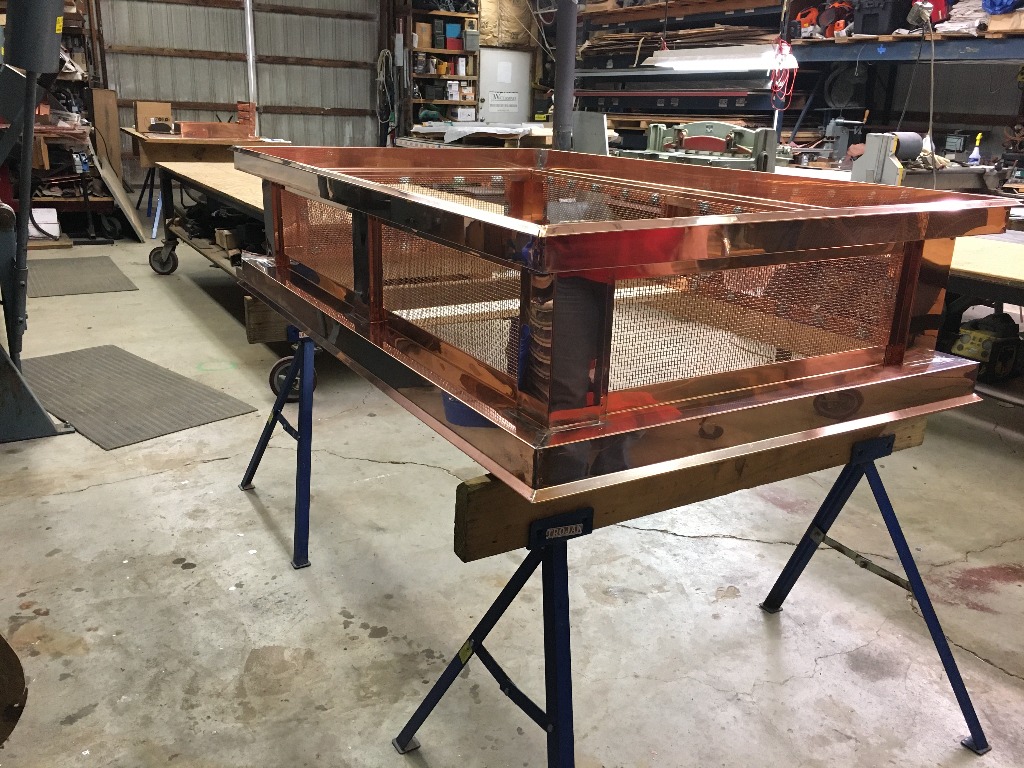
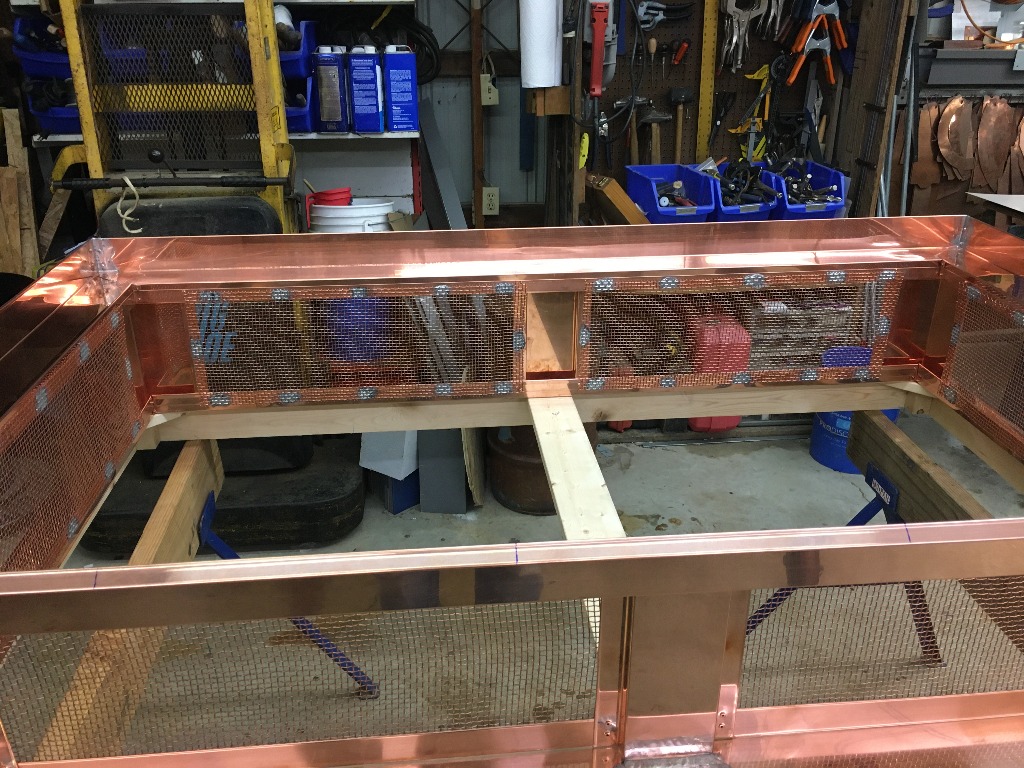
Chimney Cap Installation
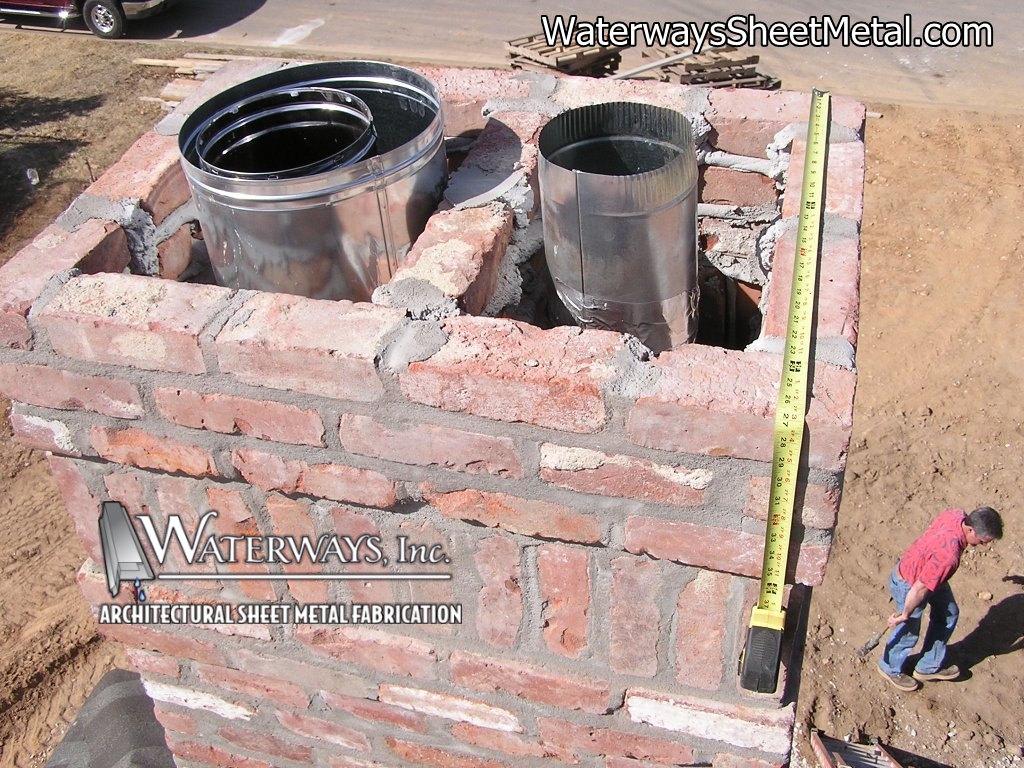
Measure the flue or crown to ensure proper fit, then clean the surface. Position the cap and secure it with stainless steel screws or adjustable clamps. For masonry crowns, pre-drill holes and use anchors if needed. Ensure mesh sides remain clear for ventilation. Check stability after installation. Inspect and clean periodically to maintain airflow and long-lasting performance.
Chimney Cap Installation, Example 1


Chimney Cap Installation, Example 2 - French Curved


Chimney Cap Installation, Example 3 - Bermuda Hip


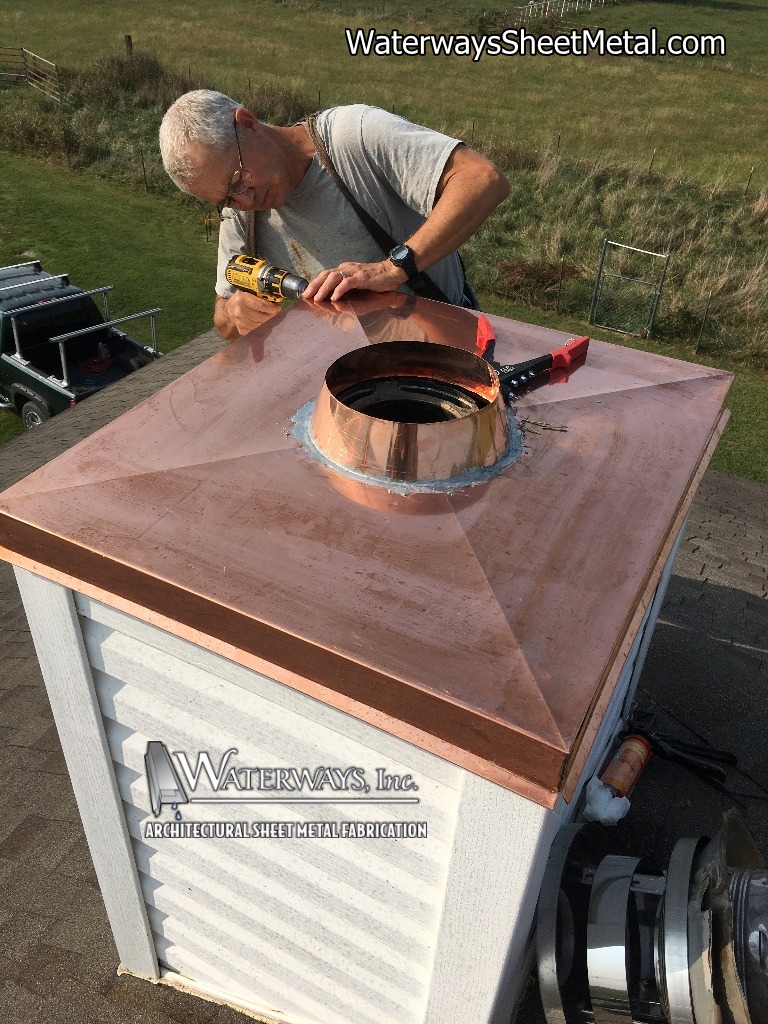
Chimney Top Flashing
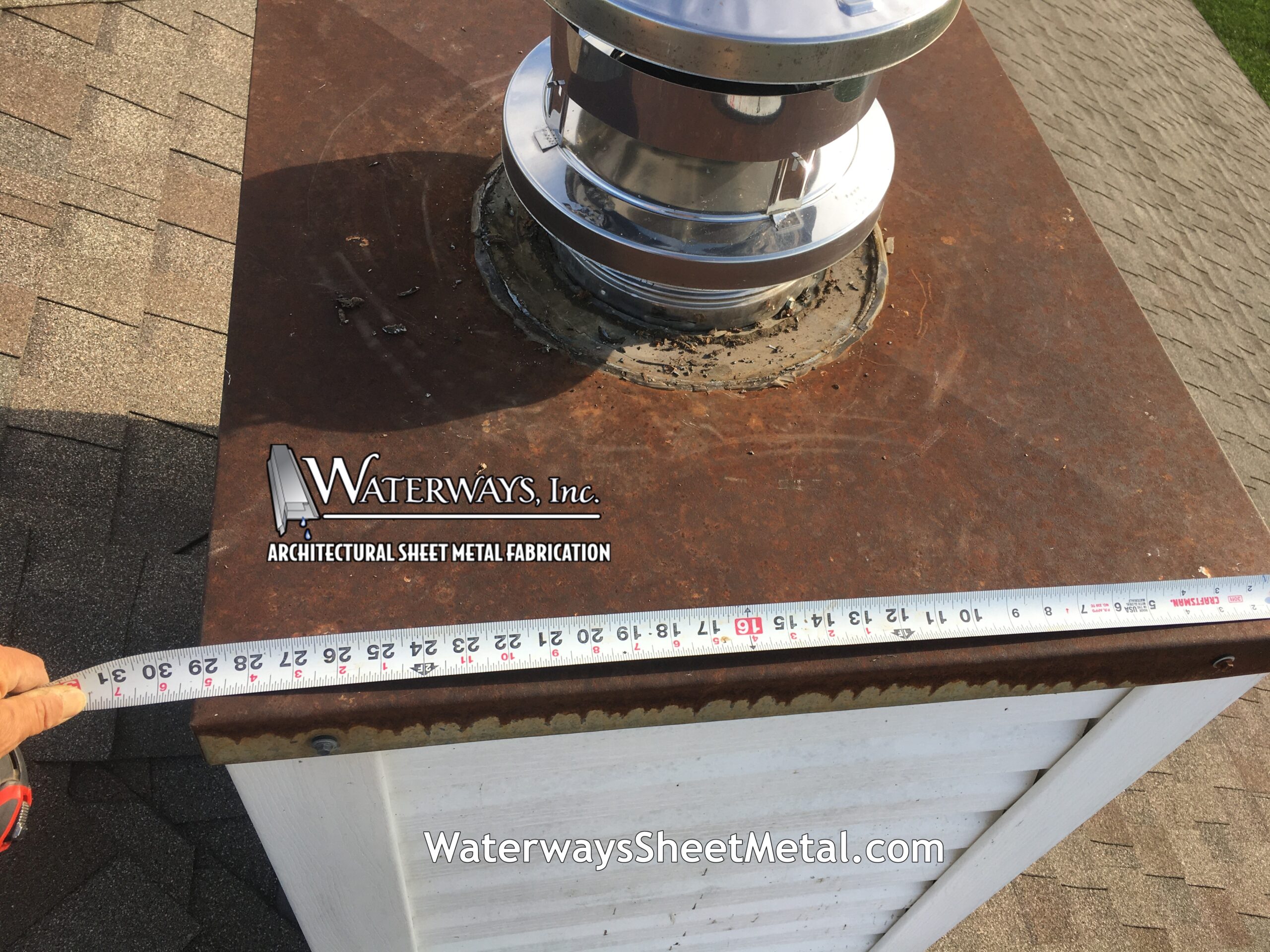
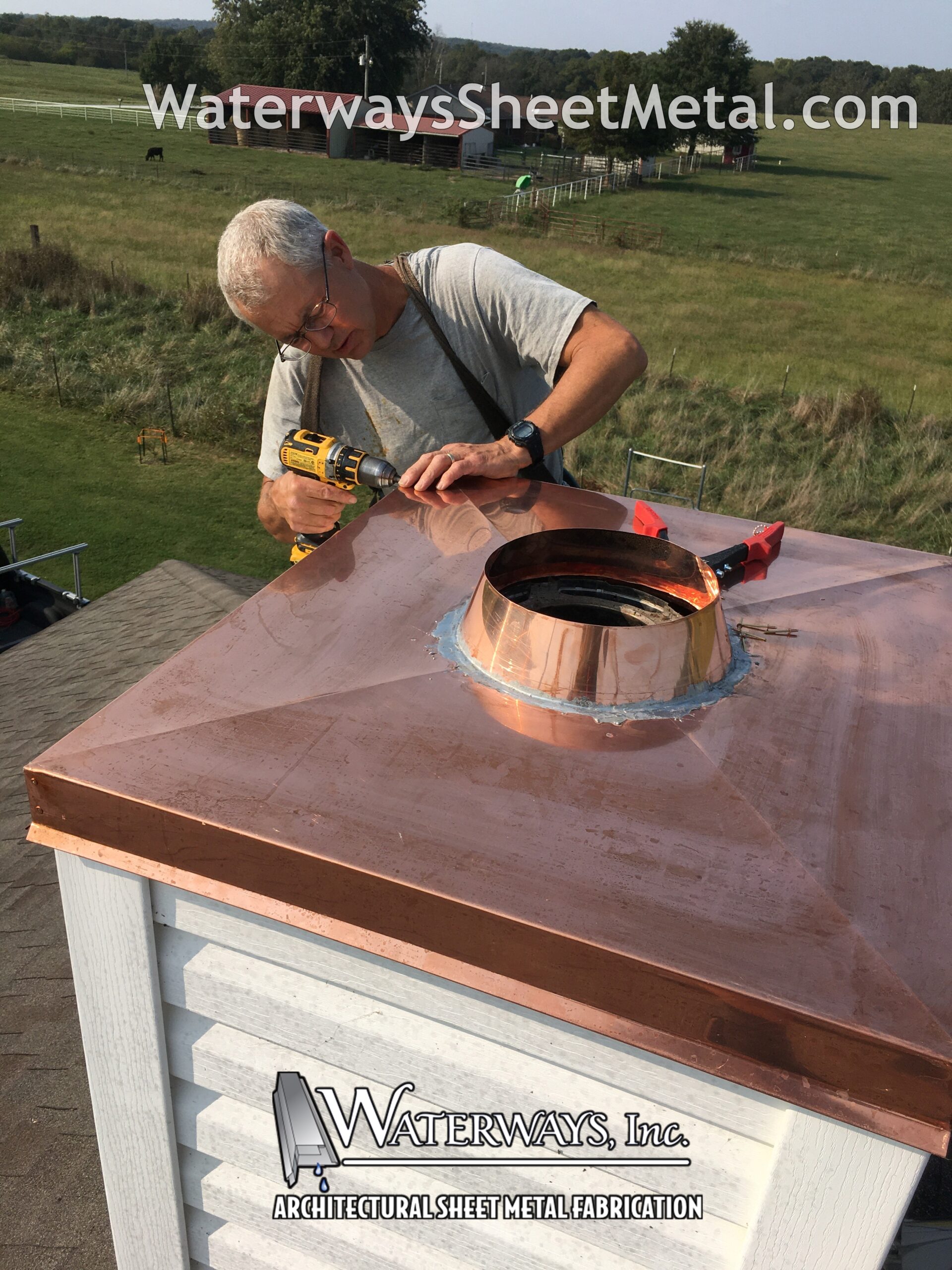
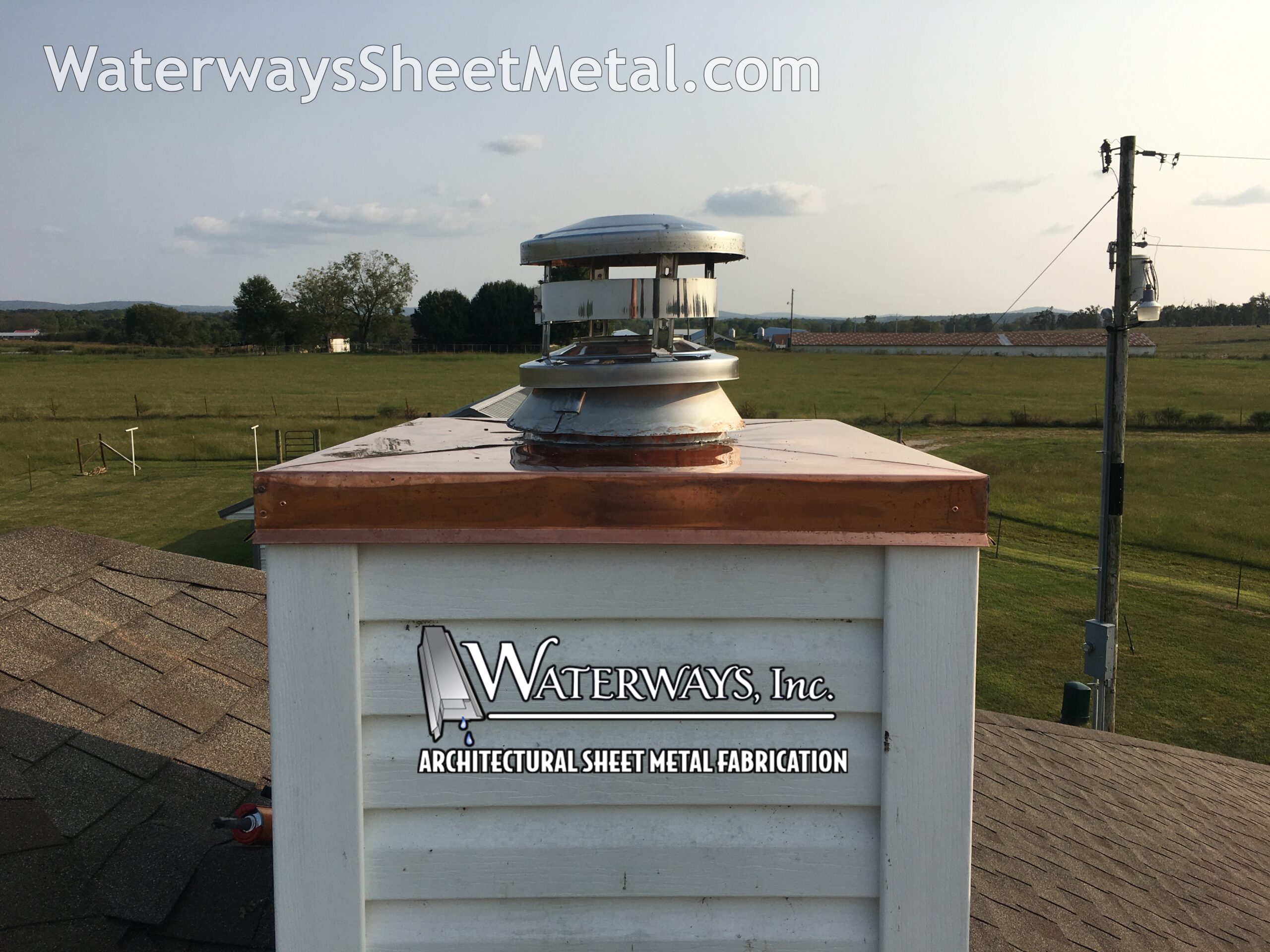
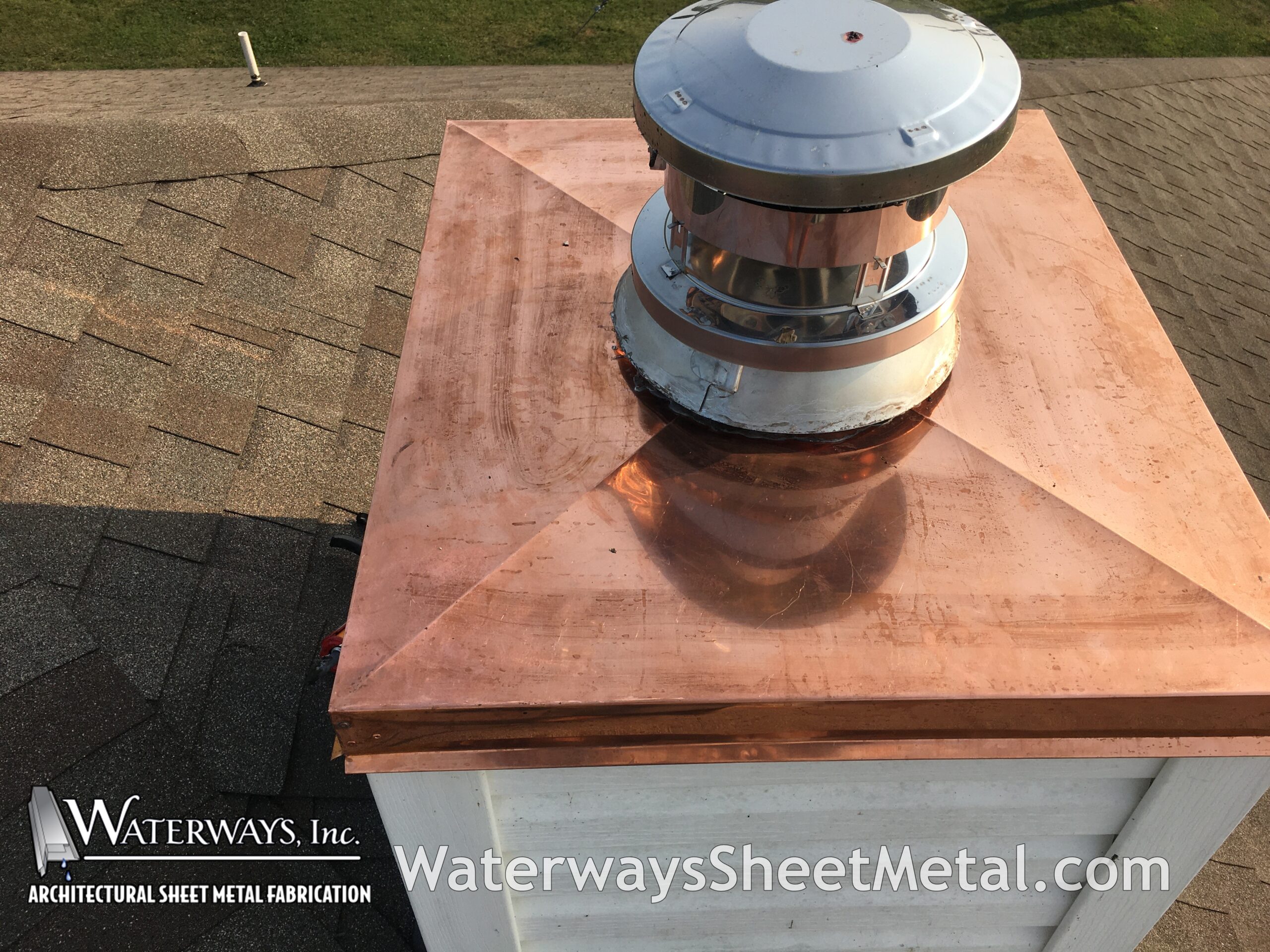
We removed the dome-shaped storm collar and old caulk, which often causes leaks, and replaced it with a permanent solution.
Measurements were taken to fabricate a new chimney top from high-grade copper.
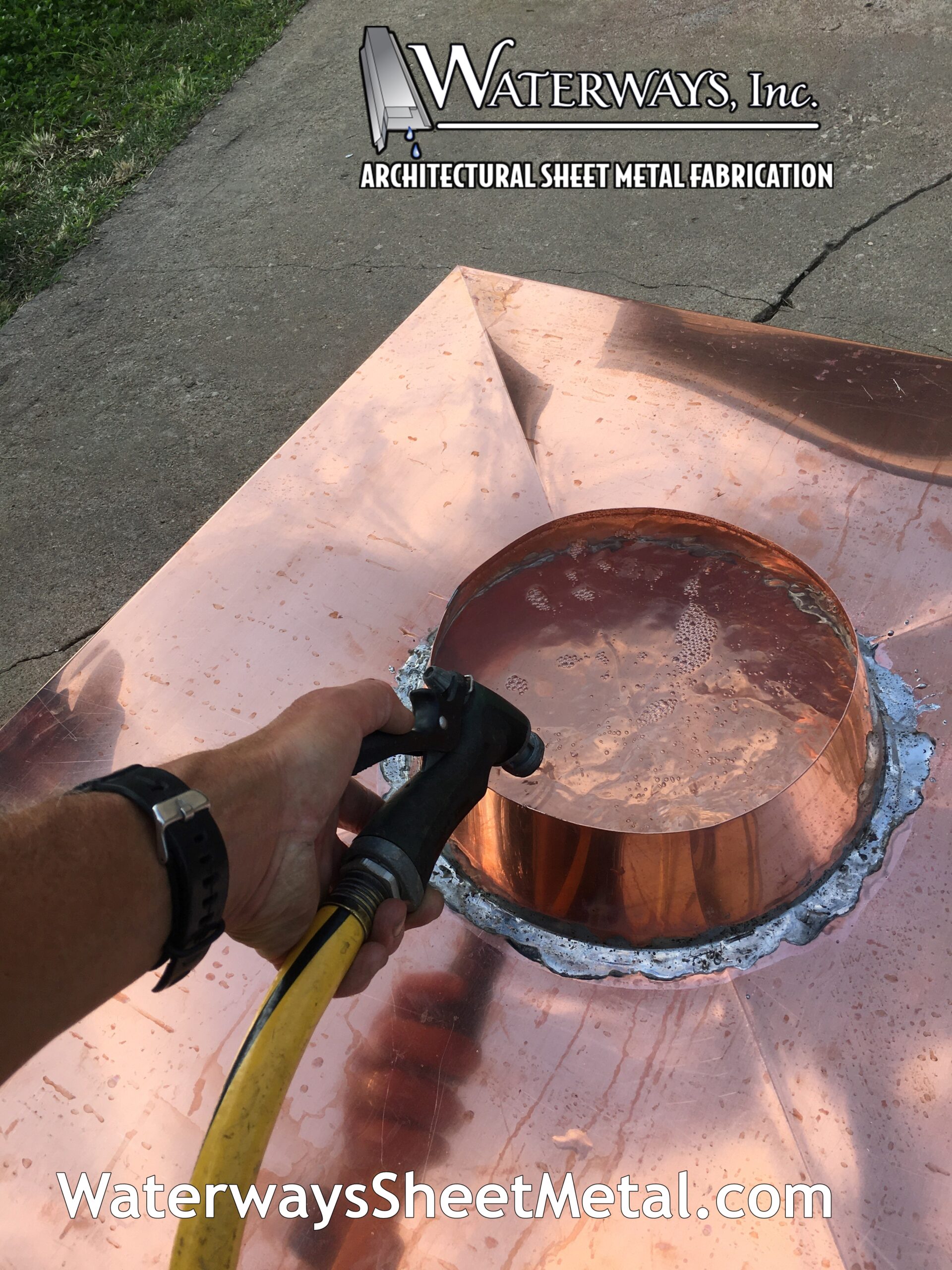
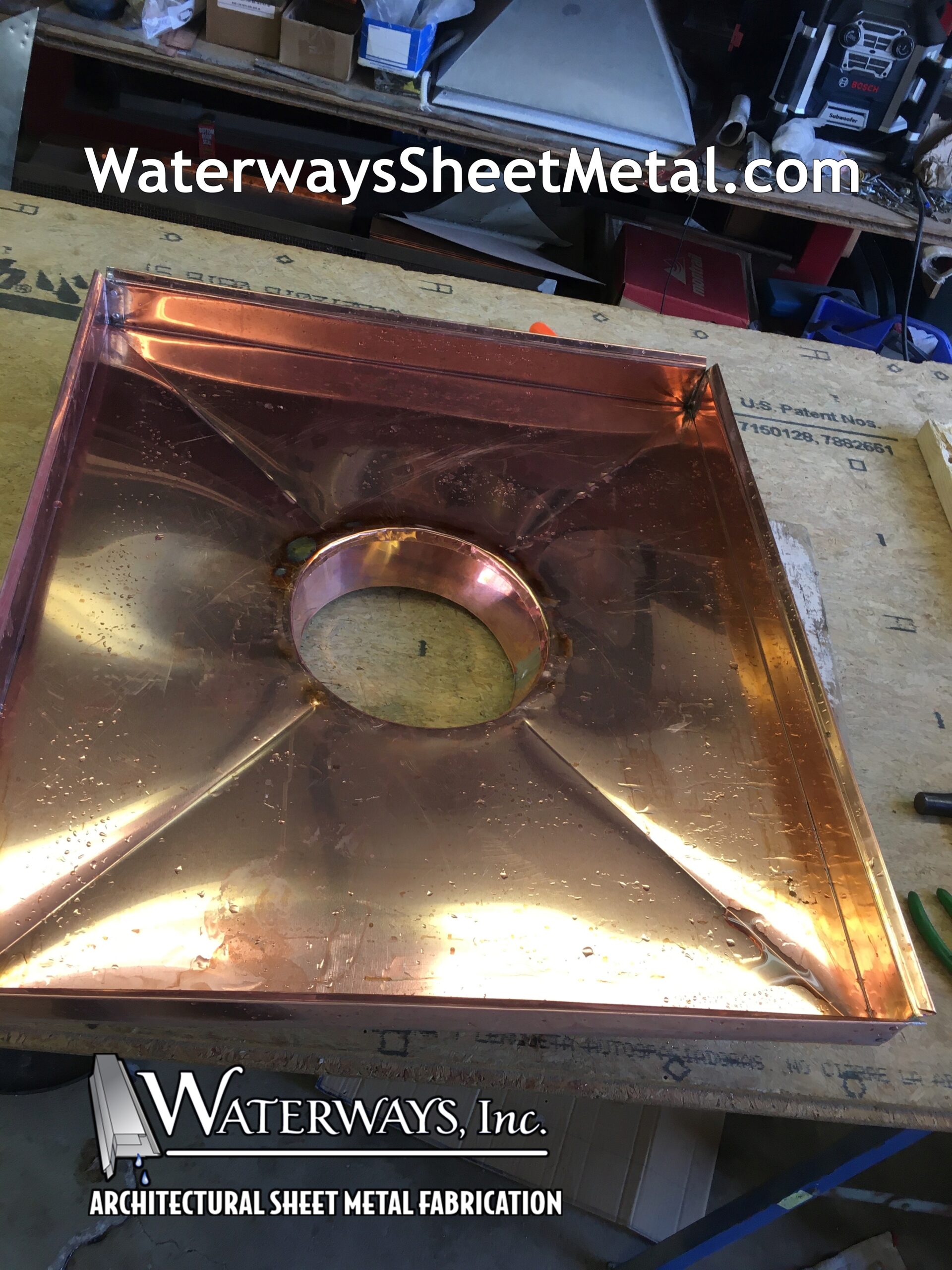
The collar was soldered in place before cutting the opening, allowing us to test for leaks and ensure a watertight seal; superior to tabbed manufacturer methods that create failure points.
After testing, we cut the opening one inch smaller than the collar and folded the excess to form an internal “moat.” This added barrier catches any potential moisture, allowing it to evaporate instead of entering the chimney.
Flashing Work
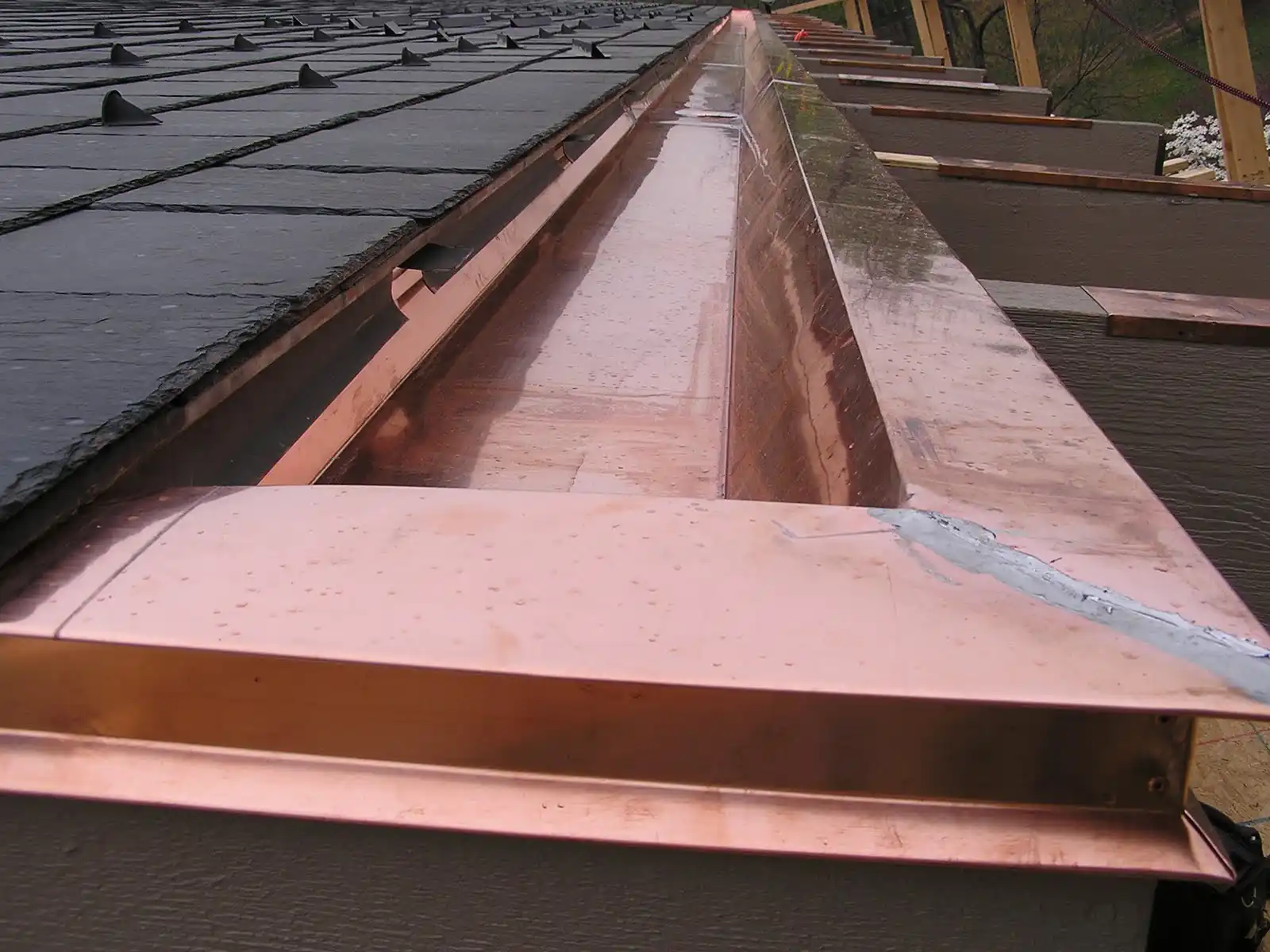
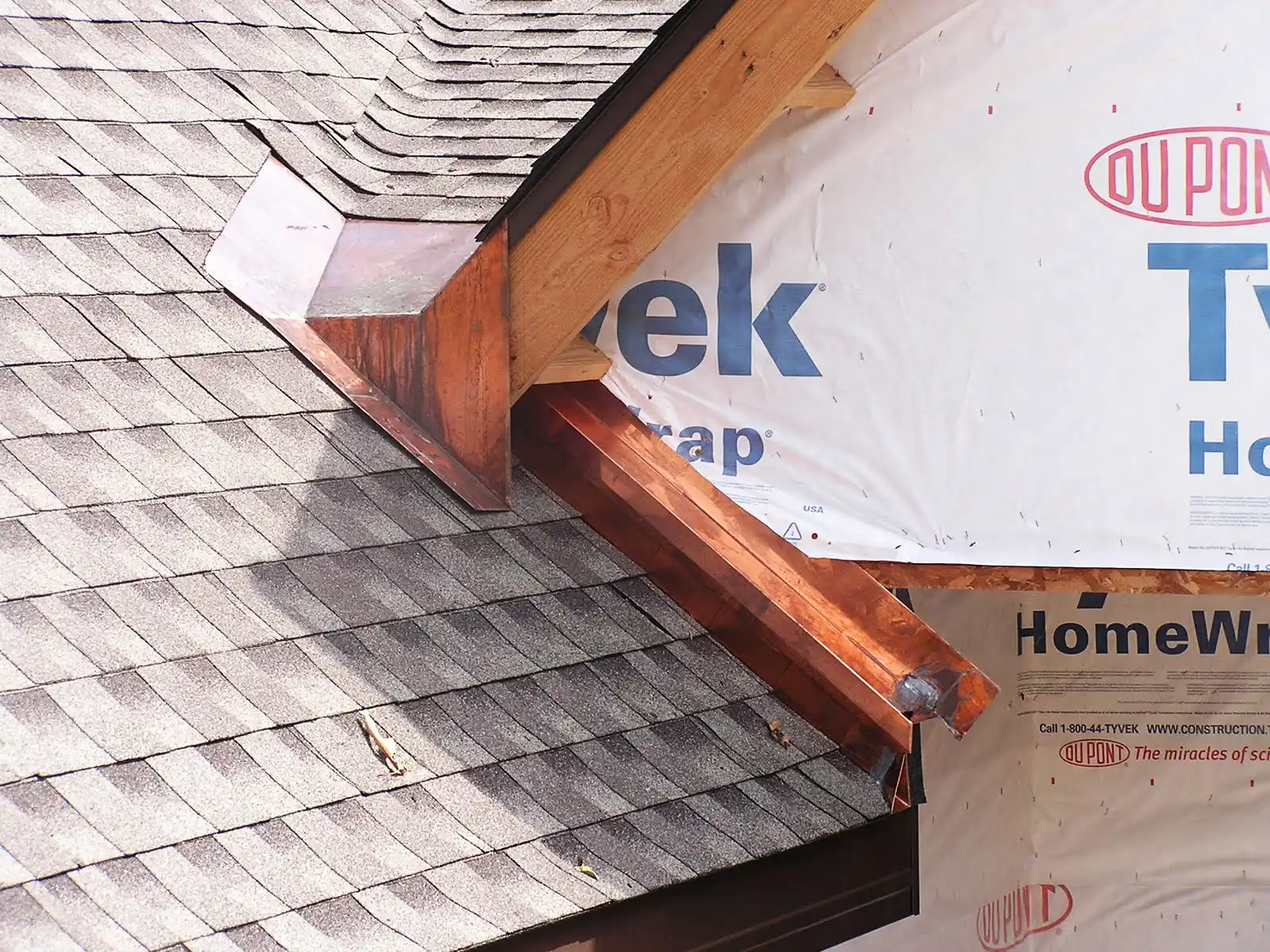
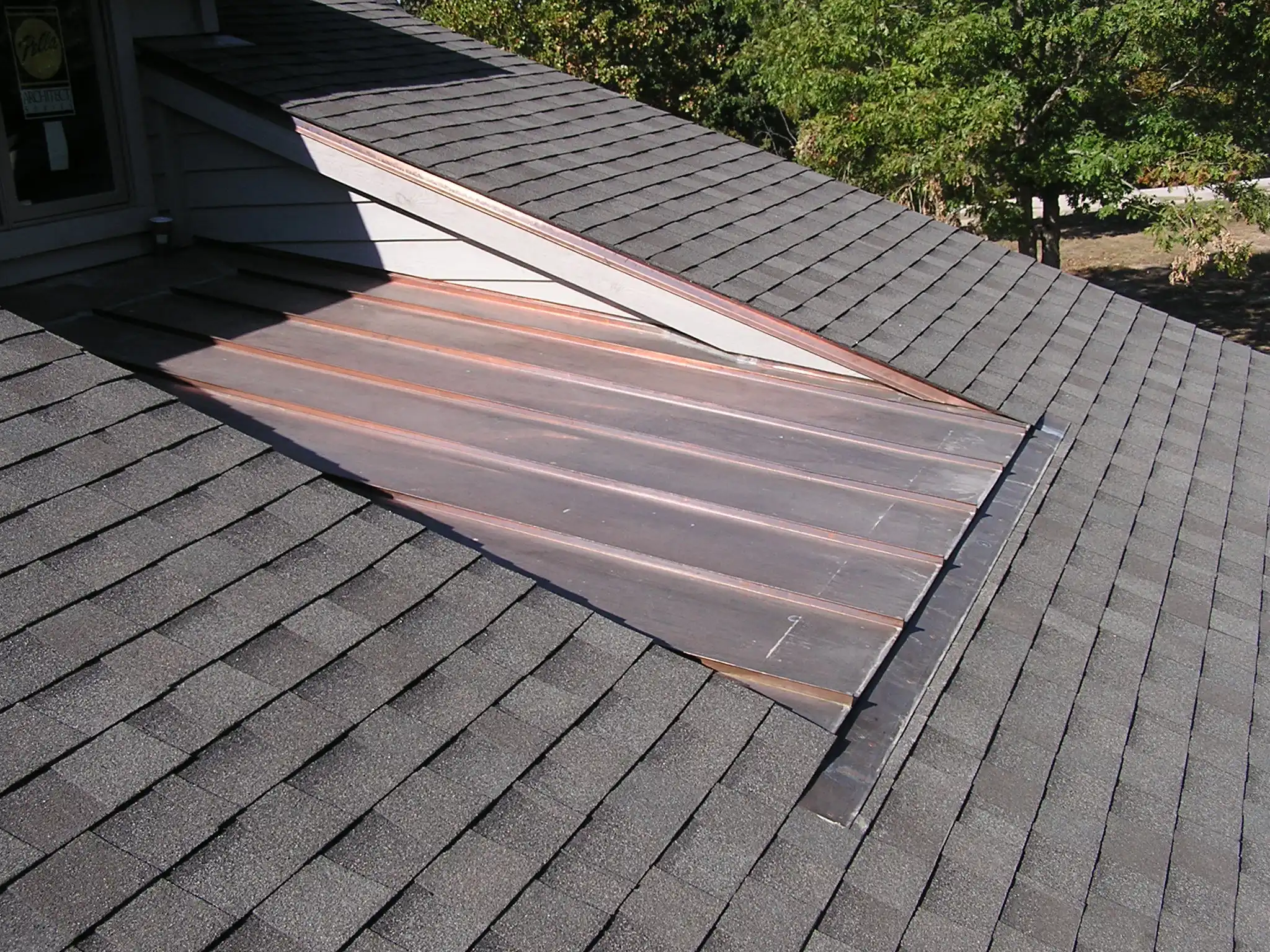
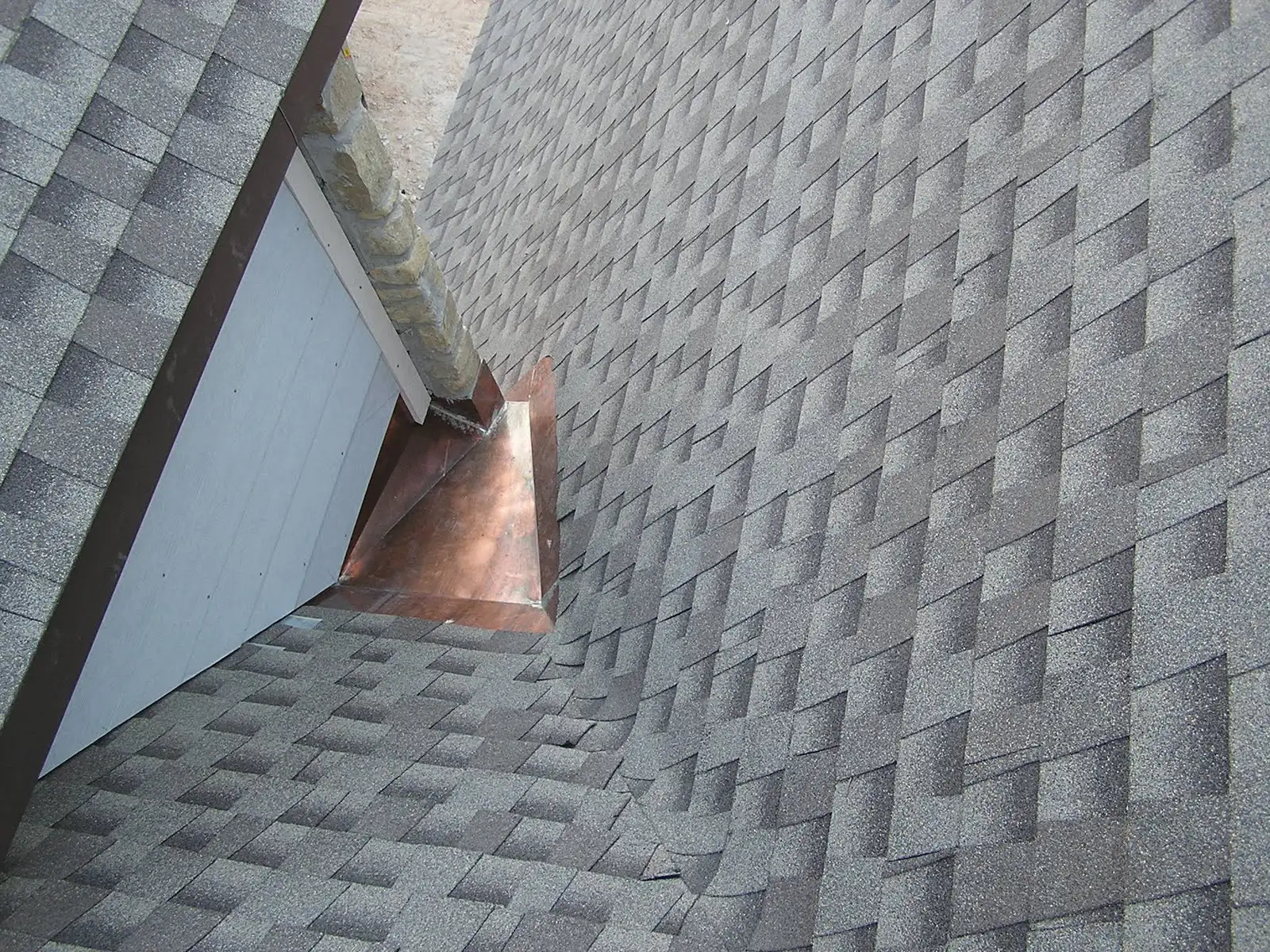
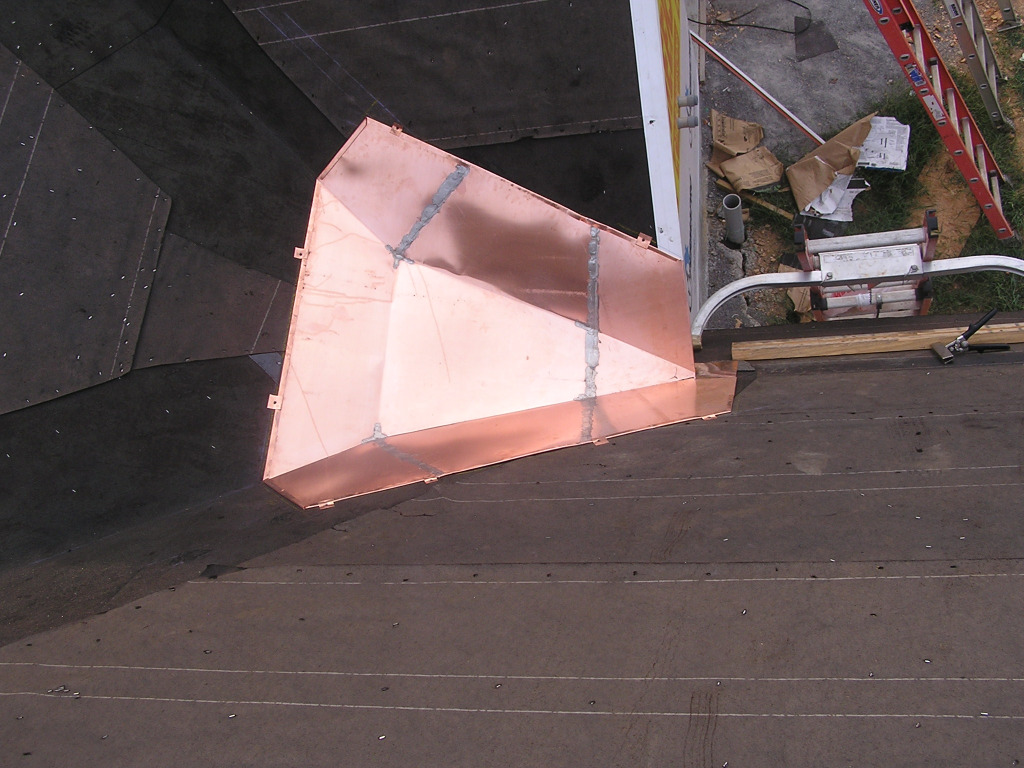
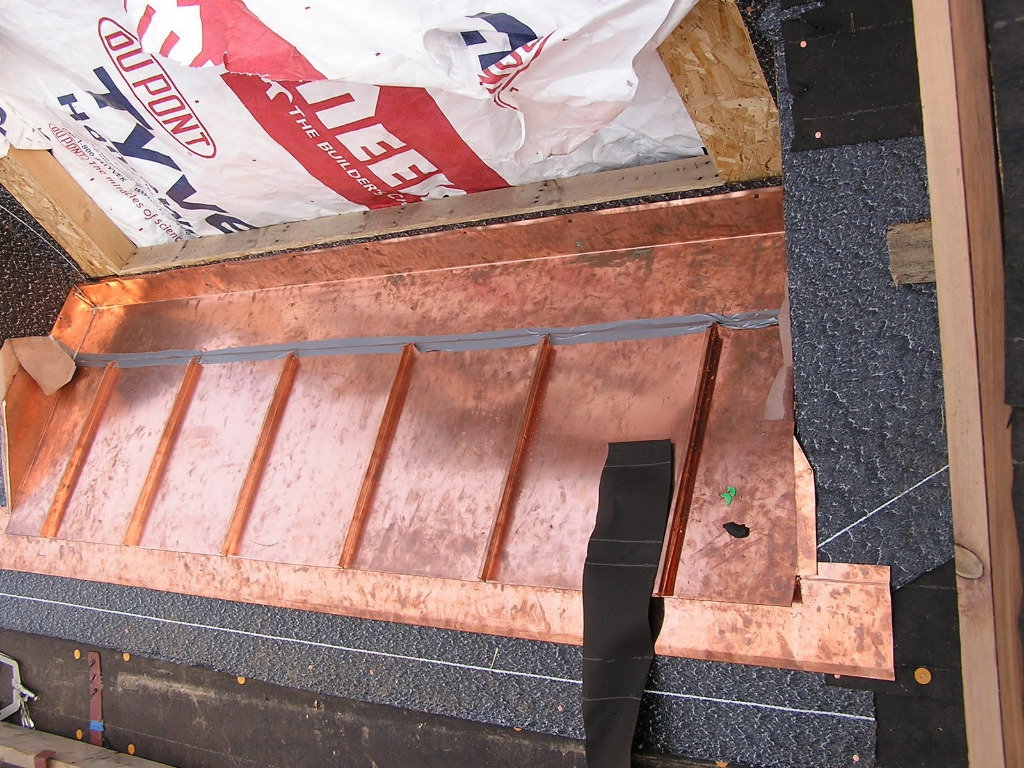
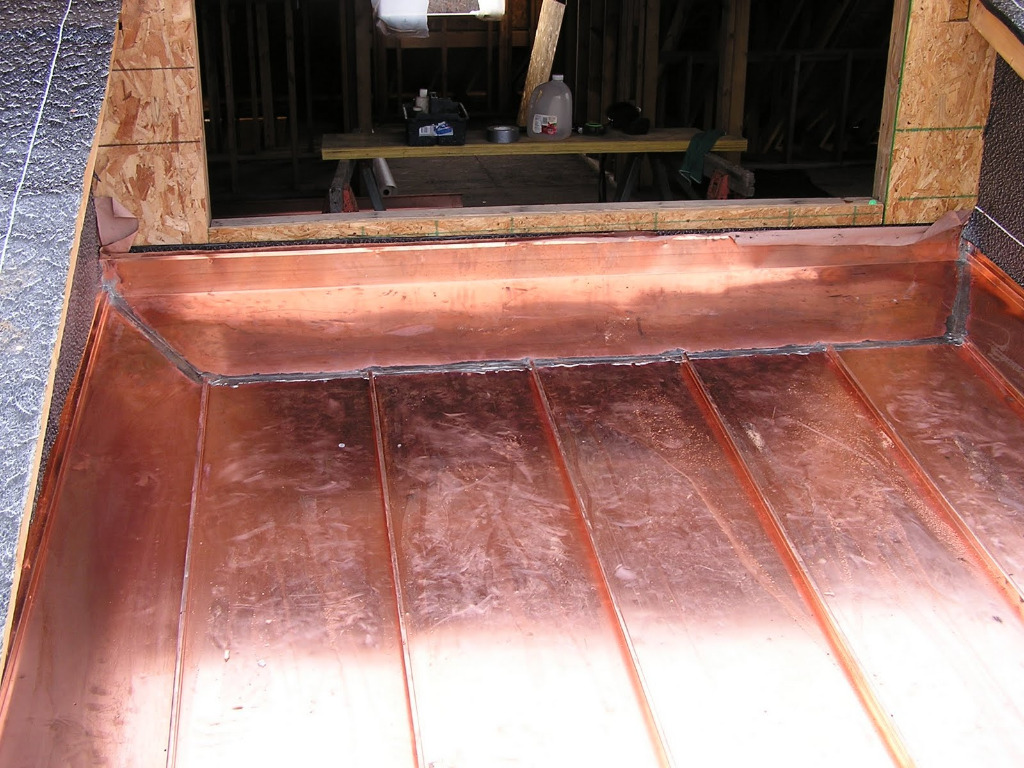
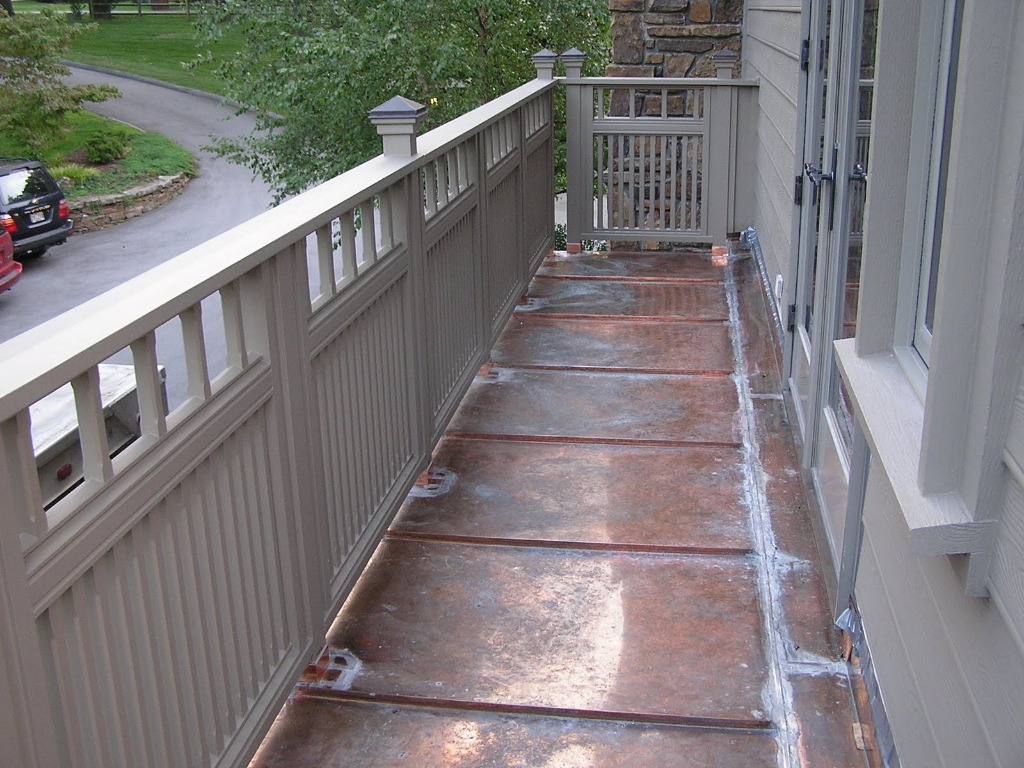
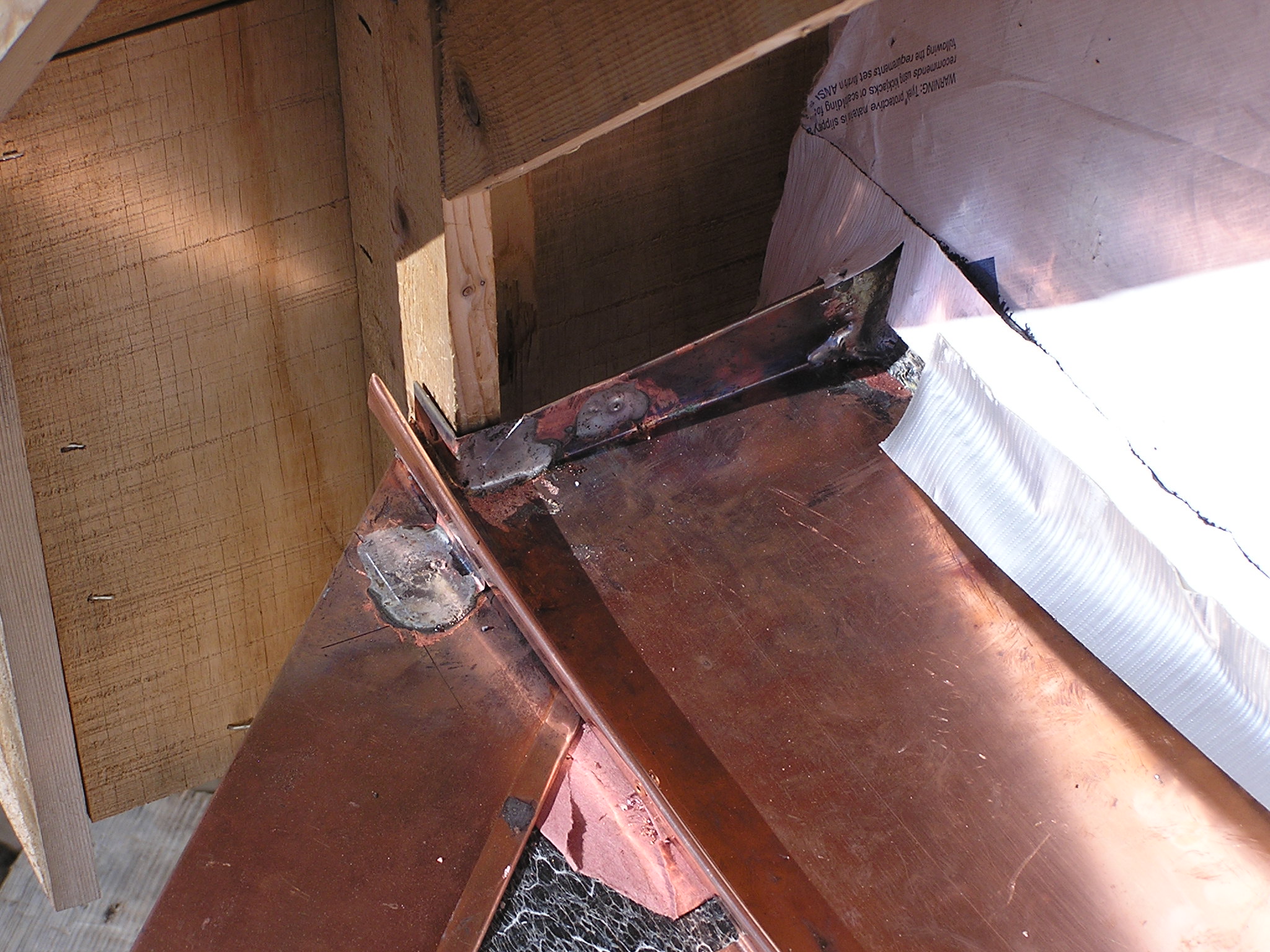
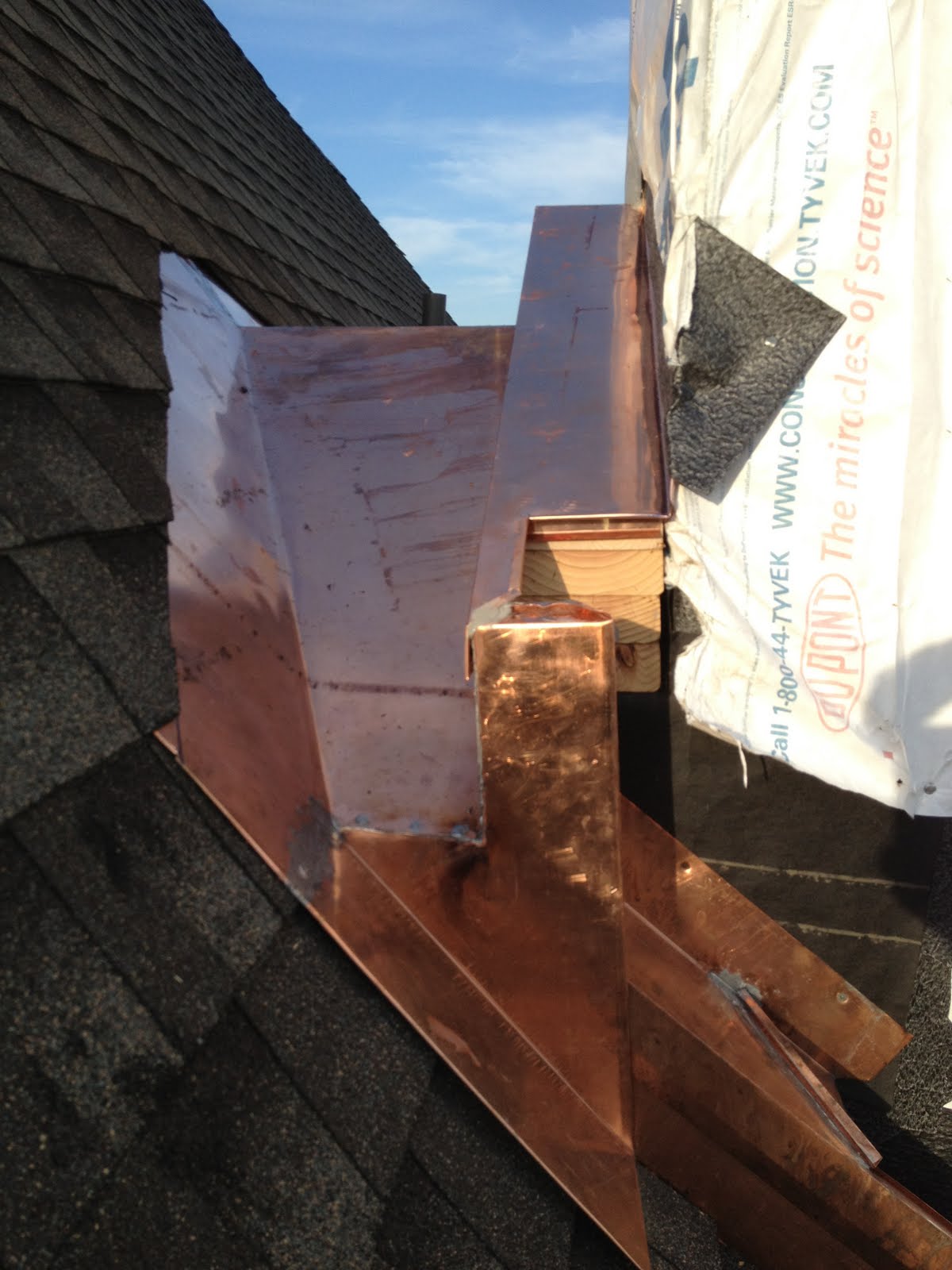
Copper flashing is a durable material used to seal joints and prevent water intrusion around roofs, chimneys, and walls.
It resists corrosion, withstands extreme weather, and lasts for decades. Over time, it develops a natural patina, adding character while maintaining protection.
Proper installation ensures long-term performance and helps prevent costly structural damage.
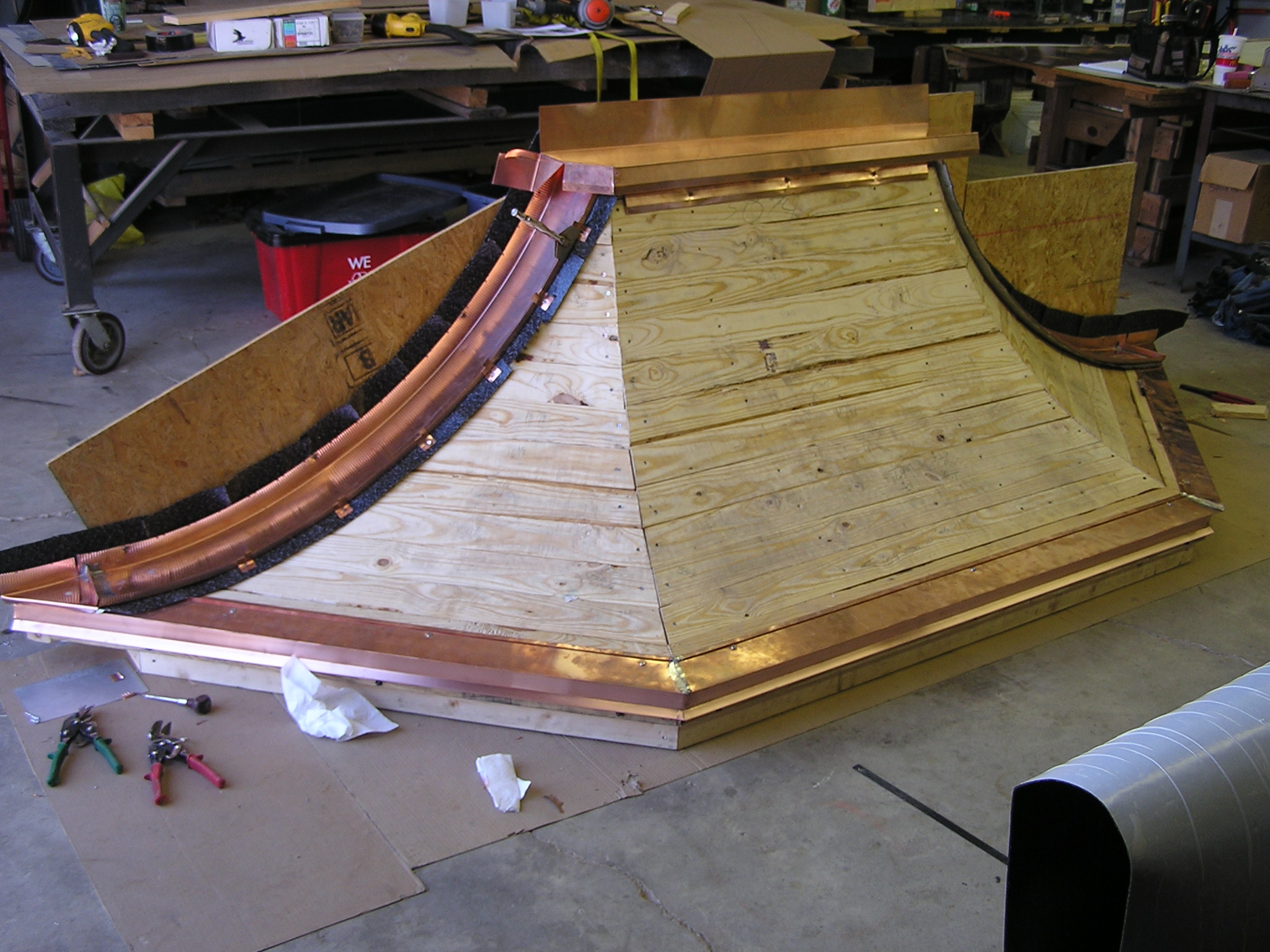
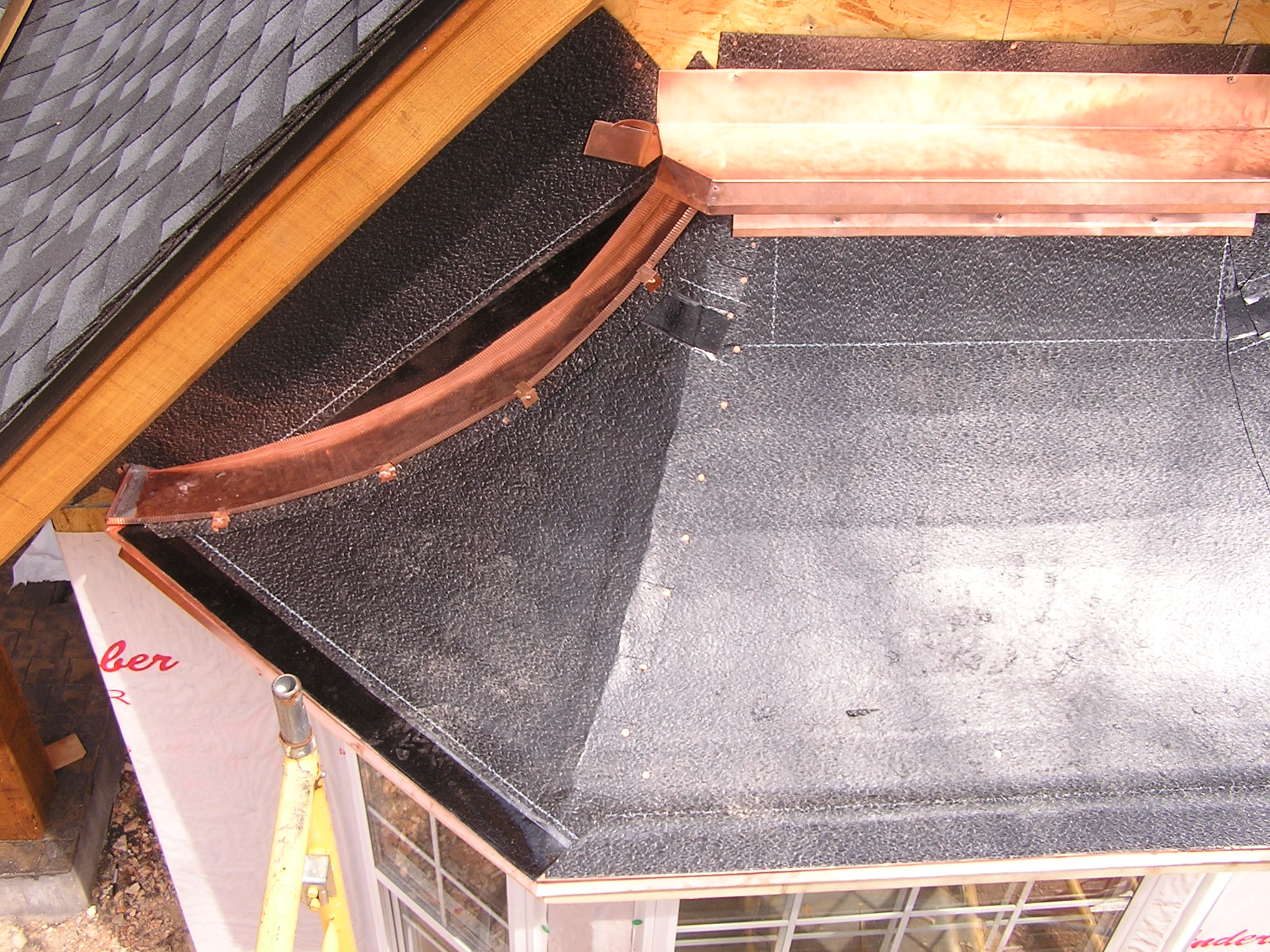
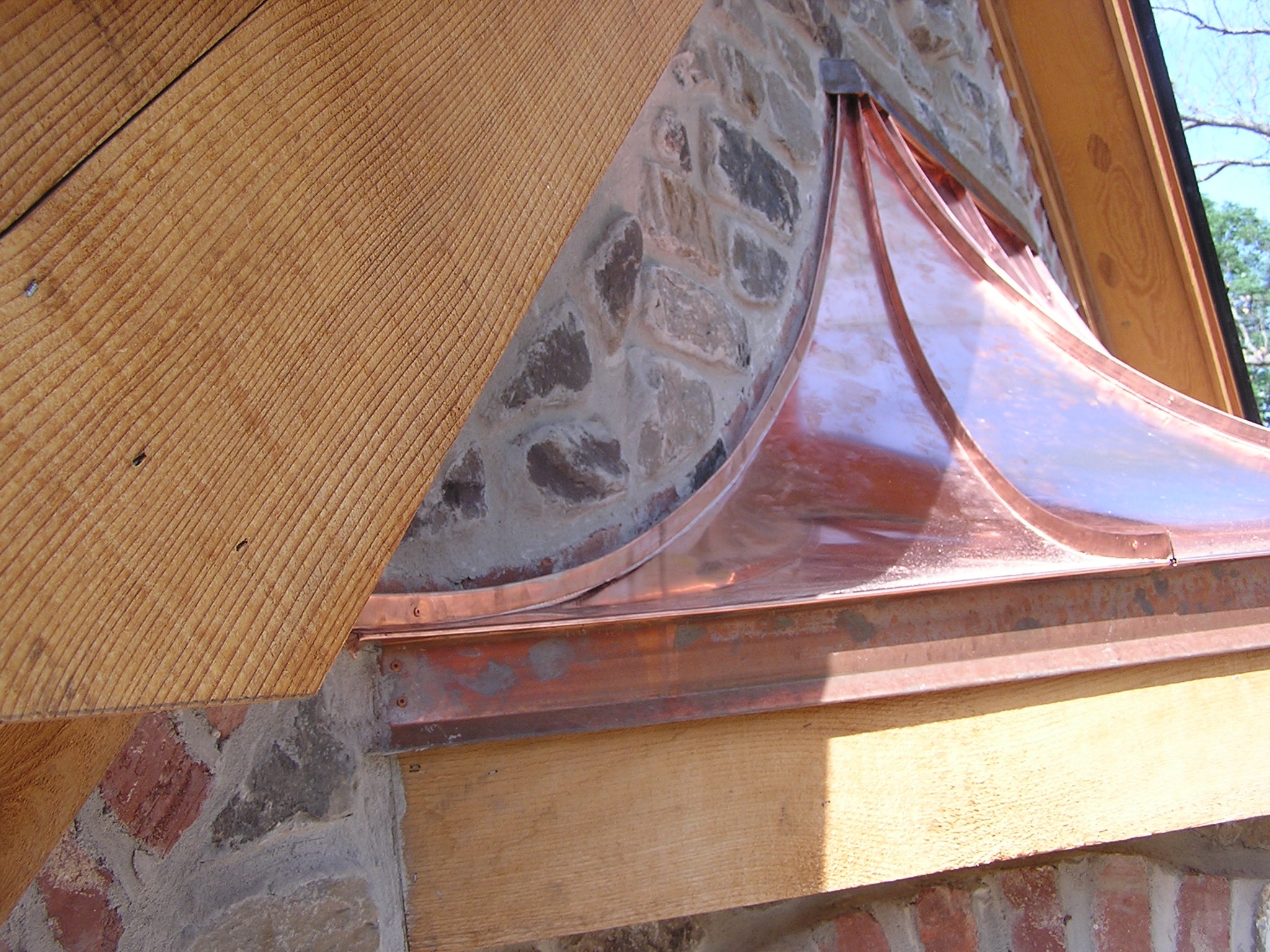
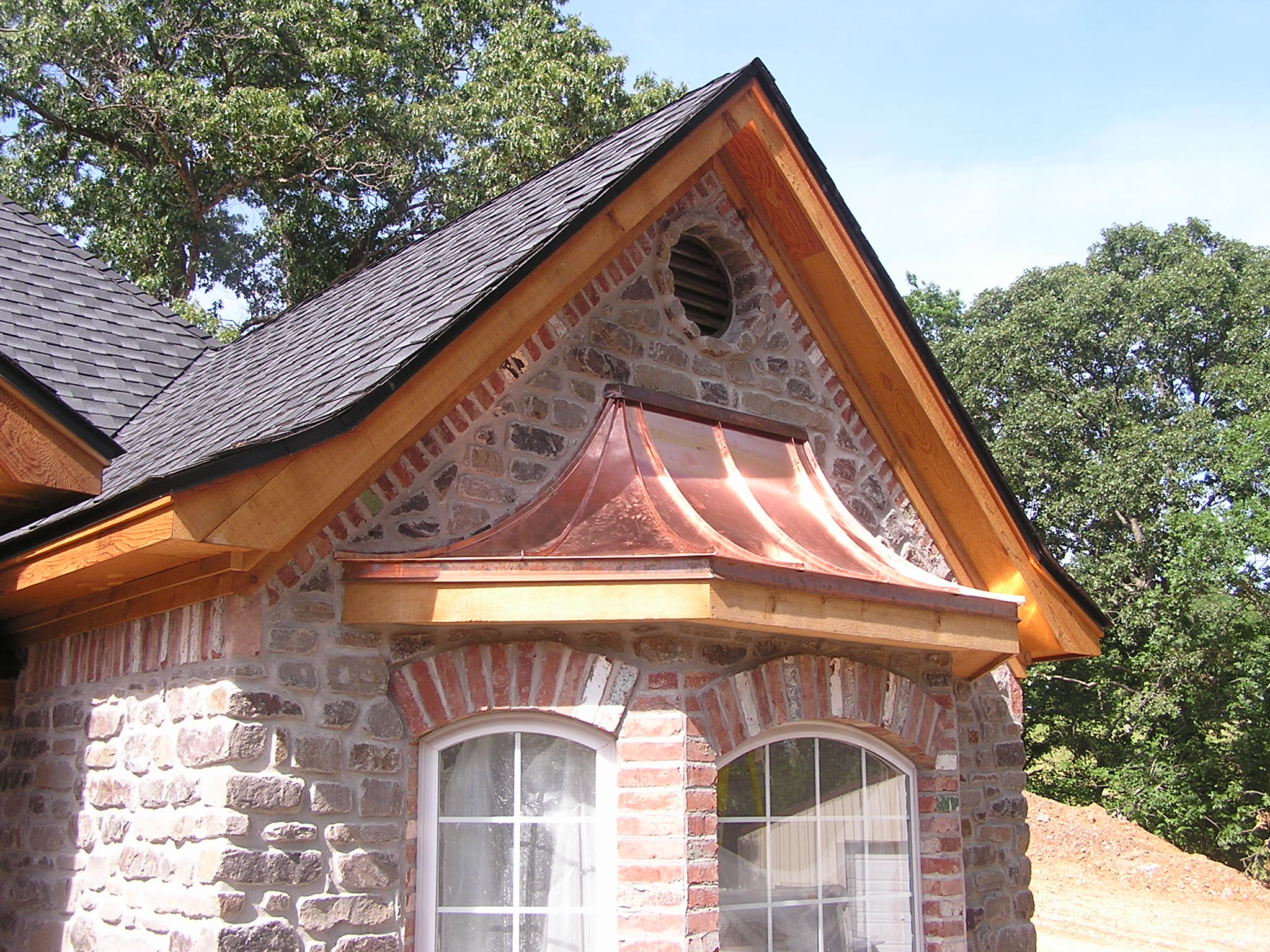
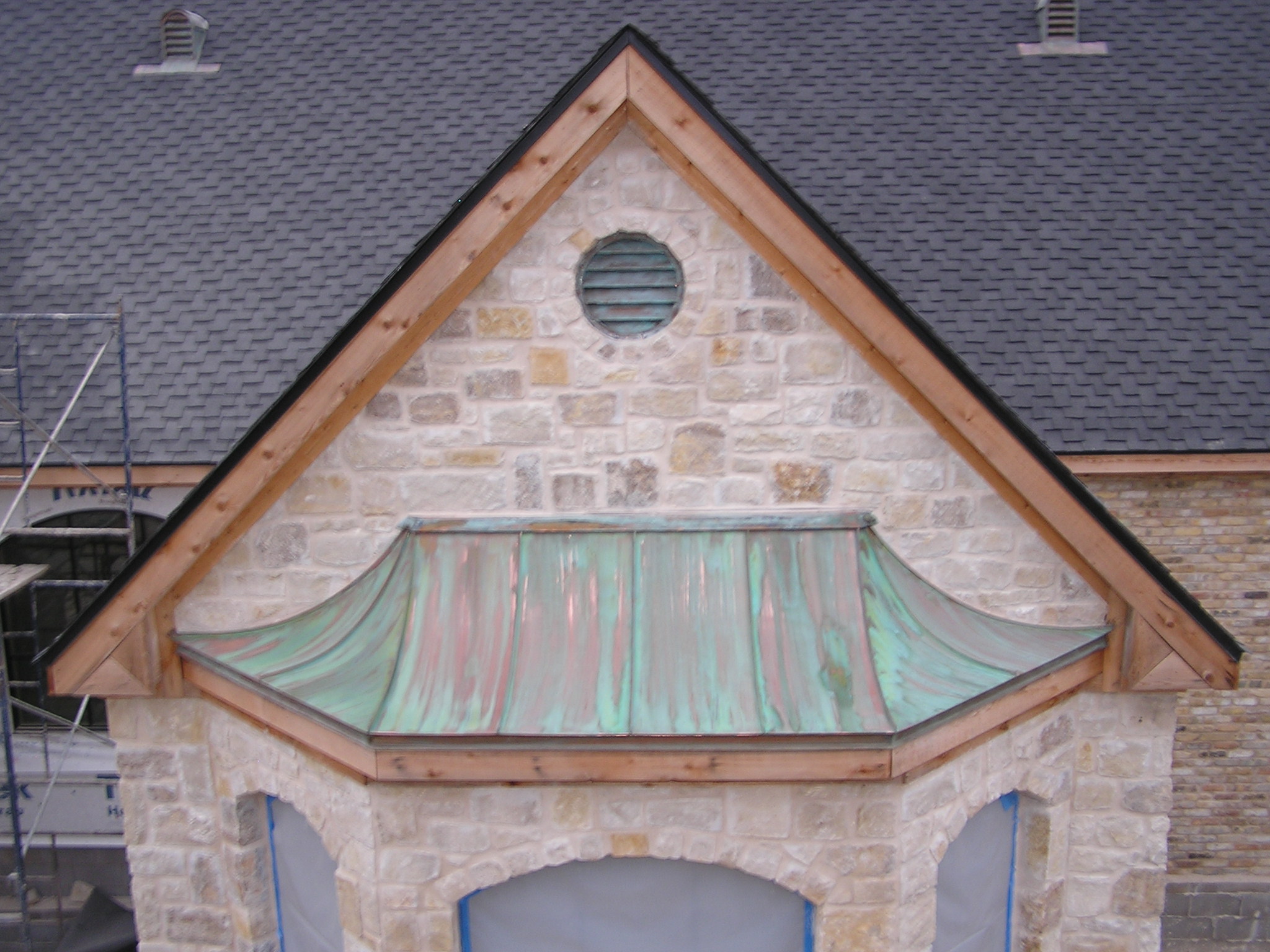
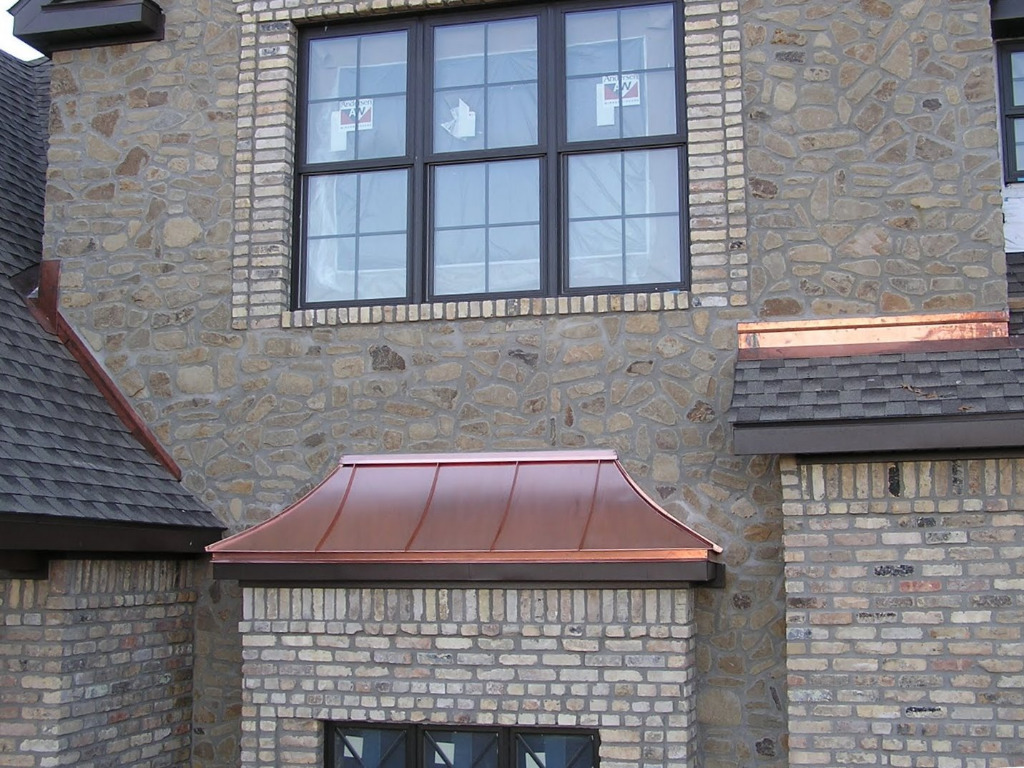
Awnings & Bay Windows
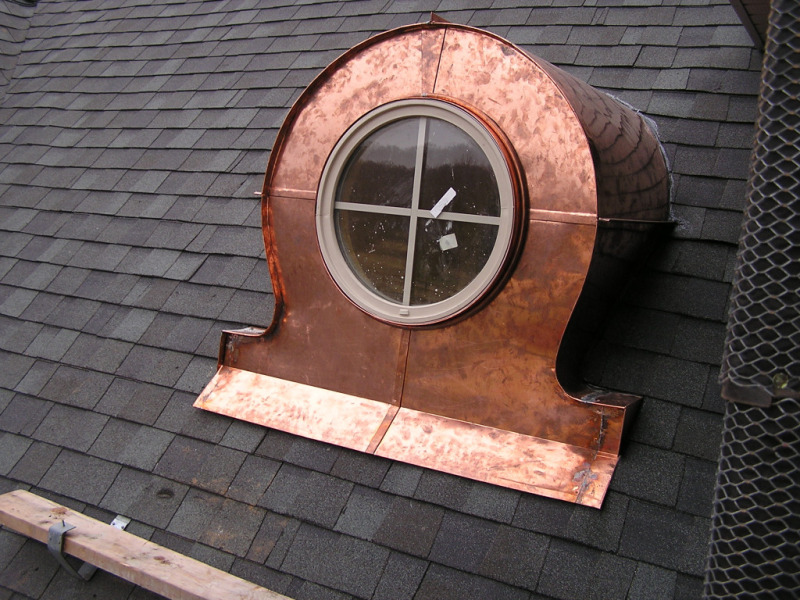
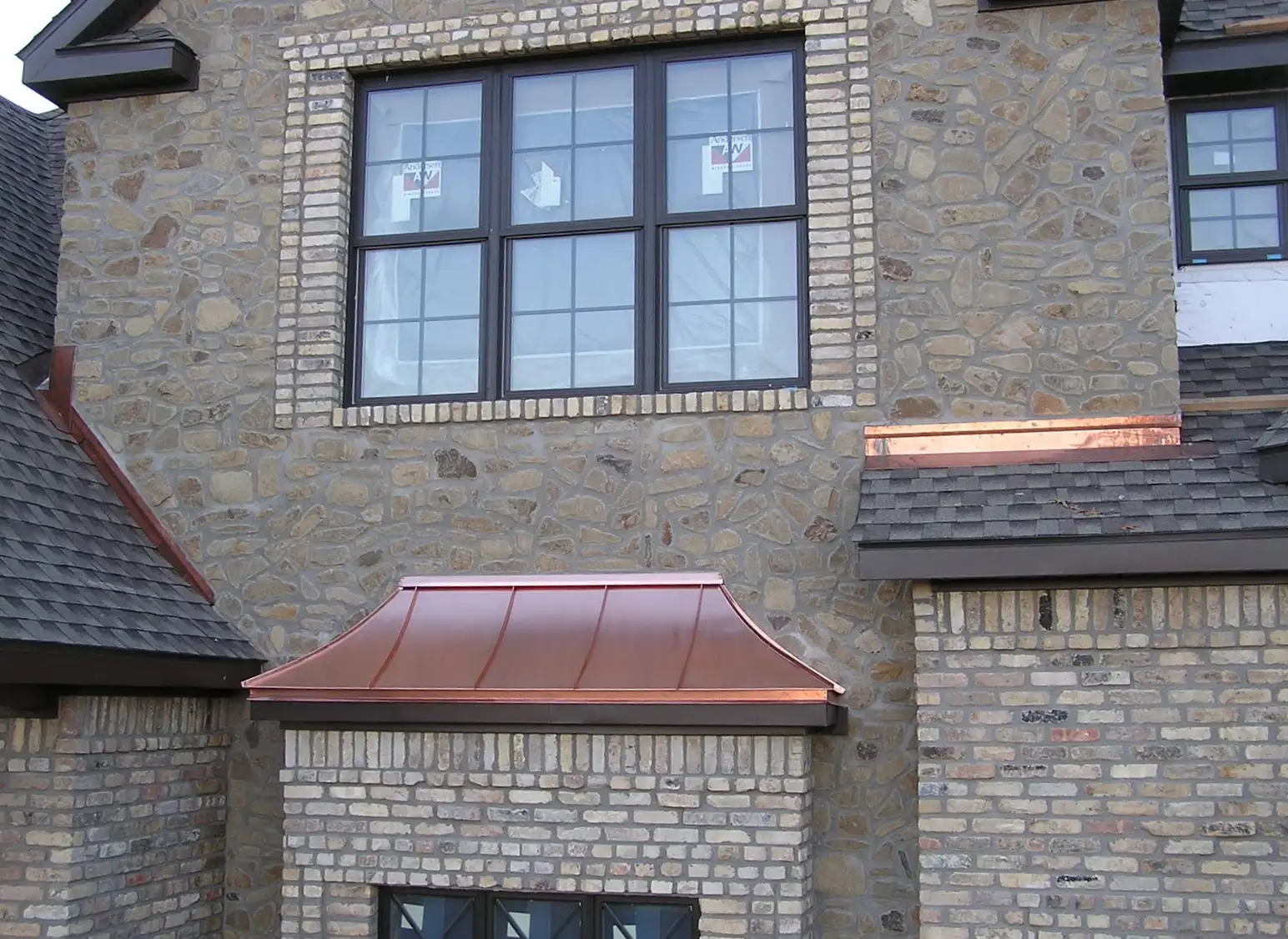
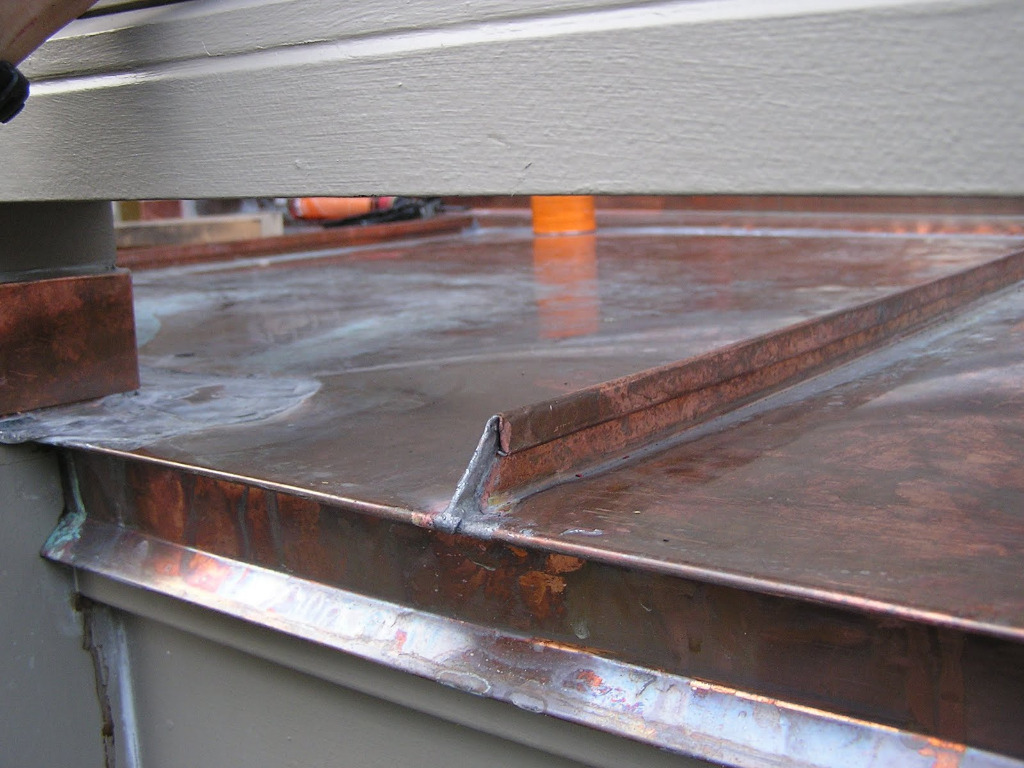
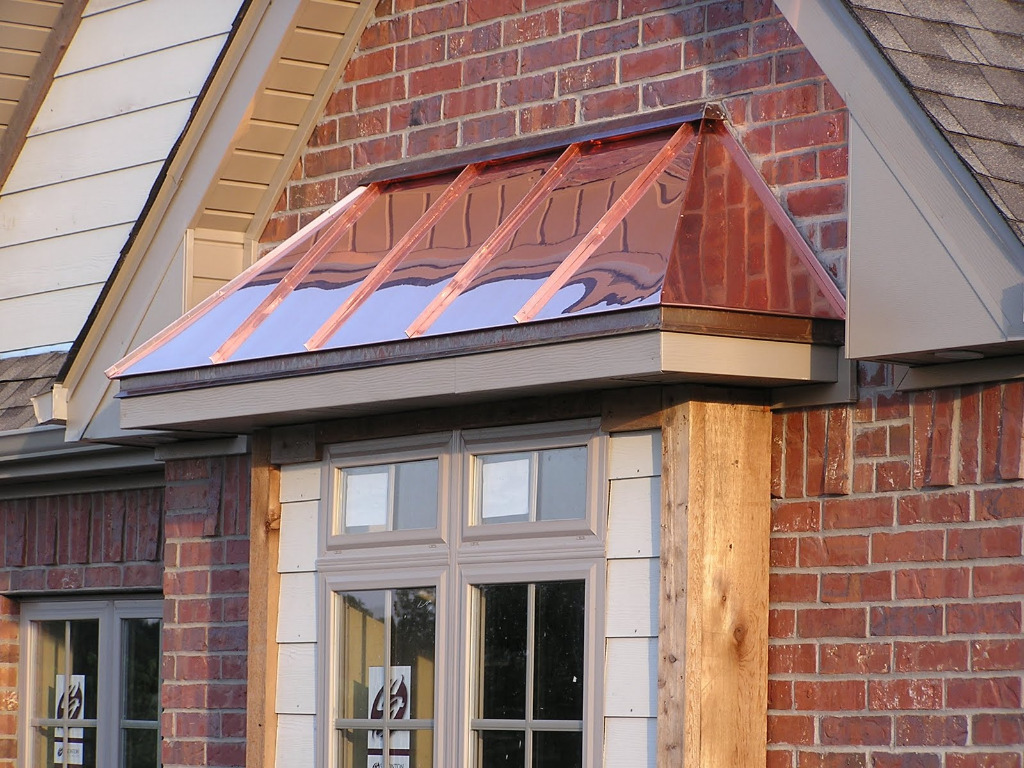
Copper awnings and copper bay windows add elegance and durability to a home’s exterior. Copper awnings provide shade, protect entrances from weather, and develop a rich patina over time.
Copper bay windows enhance architectural detail while offering strength and resistance to corrosion. Both features are long-lasting, low maintenance, and improve curb appeal, making them a valuable investment for both style and function.
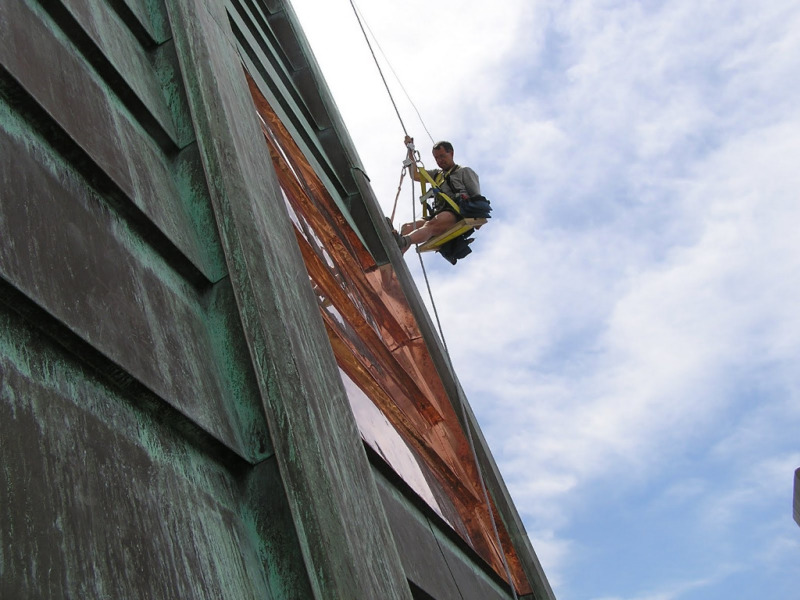
Mid Continent Tower


Other Copper Products